
Stop Paying to Heat the Outdoors: Lower Your Electric Bill in Winter
The January bill lands and it feels like a second rent payment. You have not been careless. The house sits at a sensible temperature, nobody is walking around in shorts, and still the number makes you wince. Then comes the suspicion most of us have had while standing near a window on a windy night: half of this heat is warming the street.
That suspicion is usually right. In winter you rarely waste money on heat itself. You waste it on heat that leaves. The furnace does its job, the warm air drifts out through a dozen small gaps, and you pay to heat the same room all over again. So this is a hunt, not a shopping trip. Find where the warm air escapes, seal it for a few dollars, and warm yourself directly so the thermostat can rest a little lower.
Key Takeaways
- Most winter waste is heat escaping through drafts and leaks, not the heater doing something wrong.
- Find the leaks before you buy anything, using the back of your hand and a lit incense stick on a windy day.
- The core seals are cheap: weatherstripping, caulk, a door sweep, window film, and outlet gaskets, most of them under $30 each.
- Warm the person with heated blankets, layers, and a reversed ceiling fan, and the thermostat can sit lower without anyone suffering.
- A space heater only saves money in one occupied room with the central heat turned down, and only with strict safety rules.
How to Lower Your Electric Bill in Winter Without Freezing
The short answer is to stop the leaks first and heat yourself second. Seal the drafts around doors, windows, the attic hatch, and outlets on outside walls, because that warm air is already paid for. Then set the thermostat a few degrees lower at night and while you are out, and make up the difference with blankets, warm layers, and a ceiling fan running in reverse. According to Altus Power’s energy guide, each degree of thermostat adjustment is worth roughly 3 percent of heating and cooling cost, and the sealing fixes below cost under $30 each, so the house stays comfortable while the bill comes down.
Start With the Draft Hunt
Do this on a windy day if you can, because moving outside air makes leaks easy to feel. Run the back of your hand slowly along door frames, window edges, and the trim around the attic hatch. Your hand notices cold air better than your palm does. Where you feel a cool stream, you have found money leaving.
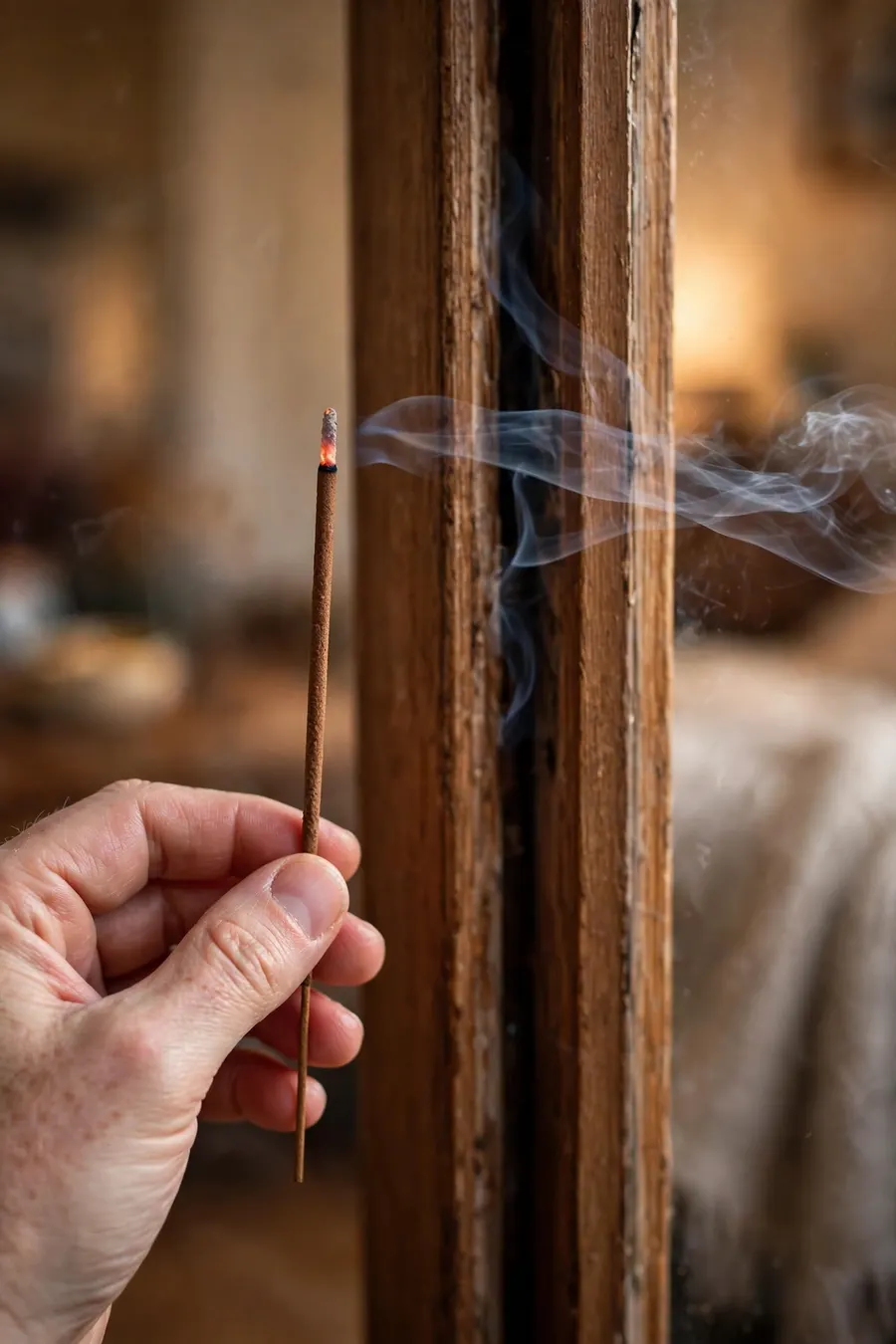
For the spots your hand cannot settle, light an incense stick and hold it near the frame. Steady smoke means still air. Smoke that bends, flutters, or streams sideways means a leak, even one too small to feel. A strip of tissue paper taped near a frame works the same way if you would rather skip the incense. Check the usual hiding places: door gaps, window frames, the attic hatch, plumbing and wiring holes under sinks, switch and outlet plates on outside walls, and the chimney flue. Make a list room by room. That list is your shopping list, and it costs nothing to write.
Seal the Leaks for Under $30
Work down your list with the cheapest fixes first. Press weatherstripping into door frames that leak. Run caulk along gaps that do not need to move, like the edge of a window frame. Fit a door sweep or a simple draft stopper at the bottom of the front door, which is often the single biggest gap in the house.

For the worst windows, a removable window film kit is the renter friendly answer. The film stretches across the inside of the frame and seals with heat from a hair dryer, and it peels off clean in spring. On single-pane or clearly drafty windows it makes a room feel different the same evening. While you are at the hardware store, grab foam gaskets for the outlet and switch plates on outside walls. They cost very little, install with a screwdriver, and close a hole most people never think about.
Two more jobs belong on this pass. Close the fireplace damper when the fire is out. An open damper is an open window pointing up, and warm air pours out of it all day. Just make it a hard household rule that the damper gets reopened before any fire is lit, every single time. And change the furnace filter before peak season. A clogged filter makes the whole system work harder for the same heat, and energy guides like Choose Texas Power recommend fresh filters about monthly during heavy use.
Warm the Person, Not the Empty Rooms
Once the leaks are sealed, you can ask less of the furnace. The cheapest warmth is the kind that touches you directly. A heated blanket on the sofa or on the bed lets the evening thermostat sit a few degrees lower while everyone stays genuinely warm. Use it the way the manufacturer directs: follow the instructions that came with it, lay it flat rather than bunched or folded while it is on, and switch it off when you are done with it.
Plain layers work too, and they are free. Warm socks and a real sweater change how a room feels more than one extra degree on the thermostat does. If you have a ceiling fan, flip its direction switch and run it on low. Fans should turn counterclockwise in summer, but in winter the reversed, gentle spin pushes warm air that has risen to the ceiling back down along the walls where people actually sit. On cold windows, hang heavy curtains, open them when the sun hits south-facing glass during the day, and close them at dusk to hold the day’s warmth in. A humidifier helps too, in a quiet way: air with some moisture in it simply feels warmer at the same setting, so the thermostat can stay put instead of creeping up.
Let the Thermostat Rest While You Sleep
With the house sealed and the blankets out, a nighttime setback stops stinging. Lower the thermostat while everyone is asleep under covers, and again while the house is empty during the day. Altus Power’s guide puts each degree of adjustment at roughly 3 percent of heating and cooling cost, so a few degrees held for eight hours is real money by the end of the month.
There is a floor to this, and it matters. Never let the house get anywhere near freezing indoors, because the money you save means nothing next to a burst pipe. Keep some heat moving through unused rooms for the same reason. Close doors and vents only if your system handles it well, and when in doubt, keep the whole house at a safe, moderate temperature.
While you are thinking about settings, check the water heater. Most units ship set at 140 degrees F, and turning yours down to 120 degrees F saves roughly 4 to 8 percent on water-heating costs while reducing scald risk, according to Altus Power, and MoneyPPL recommends the same setting. Water heating is one of the largest energy costs in the house, so this one dial turn is worth the two minutes. A tank insulation blanket and sleeves on the first hot pipes help as well, and insulated pipes get a small bonus: they resist freezing better in a cold snap.
Space Heaters: The Honest Rules
A space heater is typically a 1,500-watt device, and that number explains both sides of the story. Heating one occupied room with a space heater while turning the central heat down for the rest of the house can save money, because you stop paying to warm empty rooms. Heating the whole home with space heaters usually costs more than central heat, sometimes a lot more. One room, doors closed, people in it: that is the only version that works.
If you use one, the safety rules are not optional:
- Keep it at least three feet away from bedding, curtains, furniture, paper, and anything else that can burn.
- Never leave it running unattended, and never run it while you sleep.
- Plug it straight into a wall outlet. Never use an extension cord or a power strip, which can overheat under that load.
- Set it on a flat, hard surface where it cannot tip, and keep children and pets from knocking it over.
Protect the Pipes, and Call the Utility Early
Cold snaps ask for a little cheap insurance. When a hard freeze is forecast, let vulnerable faucets drip slightly overnight and open the cabinet doors under sinks on outside walls so warm room air reaches the pipes. A burst pipe costs more than an entire season of careful saving, so this is cost avoidance, not fussiness.
And if winter bills are a genuine worry this year, call your utility before a crisis bill arrives, not after. Ask about payment plans and any state heating assistance programs you might qualify for. Ask about budget billing too, with clear eyes: budget billing averages your payments across the year so the winter spike flattens out, which helps cash flow, but it does not reduce what you use or what you owe. It is smoothing, not saving.
Skip These Until the Drafts Are Sealed
Skip the shiny gadgets for now. A smart thermostat is a fine tool, but it cannot save heat that is leaving through the front door gap. Skip running a space heater in every room, which is the most expensive way to heat a house. And skip treating a smooth budget billing plan as a lower bill. Seal first, then decide what else deserves your money.
Frequently Asked Questions
How low can I set the thermostat at night?
A moderate setback while you sleep is the standard advice, and a few degrees is plenty for most homes. The real floor is pipe safety and basic comfort: never let the house approach freezing indoors. Each degree still counts toward savings, so even a small setback held all night adds up across a season.
Do space heaters save money?
Only in the one-room strategy. Heat the room you are actually in, close the door, and turn the central heat down for the rest of the house. Running space heaters across the whole home usually costs more than central heating, because each one draws about 1,500 watts.
Is plastic window film worth it?
On single-pane or clearly drafty windows, yes. It is one of the cheapest winter fixes there is, it makes a drafty room feel warmer the same day, and it comes off cleanly in spring, which is exactly why renters reach for it so often.
Your house does not need to be colder for the bill to be lower. It needs to stop sharing its heat with the outdoors. One windy afternoon with an incense stick, one short hardware store list, and a thermostat that rests while you sleep will teach you how to lower your electric bill in winter in a way that holds for every winter after this one.