Wondering How to Cut Utility Bills? Start With the Water, Gas and Trash Everyone Forgets
Most advice about household bills stops at the electric meter. Meanwhile the water bill creeps up because of a toilet nobody hears running, the gas bill feeds heat through a drafty door frame, and the trash plan charges for a big bin the household never quite fills. These are the quiet bills, and they frustrate me more than the electric one, because so much of the waste is invisible. The good news is that learning how to cut utility bills on this side of the house is mostly about hunting leaks, checking settings, and making a few honest phone calls. No gadgets, no guilt, and no pretending one magic tip fixes everything.
Key Takeaways
- A silently running toilet can waste water all day and night; the food colouring tank test finds it in 15 minutes.
- Water heating is the second largest home energy expense, according to Altus Power, and most heaters sit at 140 degrees F when 120 degrees F does the job for most homes.
- For gas heated homes, each degree of thermostat setback is worth roughly 3 percent of heating cost, an Altus Power estimate.
- Sealing drafts often saves more gas than any small habit, because heating is the biggest part of the gas bill.
- A smaller trash bin only saves money if the household actually shrinks the trash, mostly by wasting less food.
The Short Answer
How can I reduce my water and gas bills at home? Start with leaks and settings before habits. Test the toilet for a silent leak, read the water meter during a quiet hour, and turn the water heater down from the common factory setting of 140 degrees F to 120 degrees F, which Altus Power says saves roughly 4 to 8 percent on water heating costs and lowers scald risk. Then treat the gas bill as a heating bill: set a thermostat schedule, seal drafts, and keep furnace filters clean. Finish by asking your hauler about a smaller trash bin at a lower rate.
The Water Bill: Hunt What Leaks
Catch the silent toilet leak
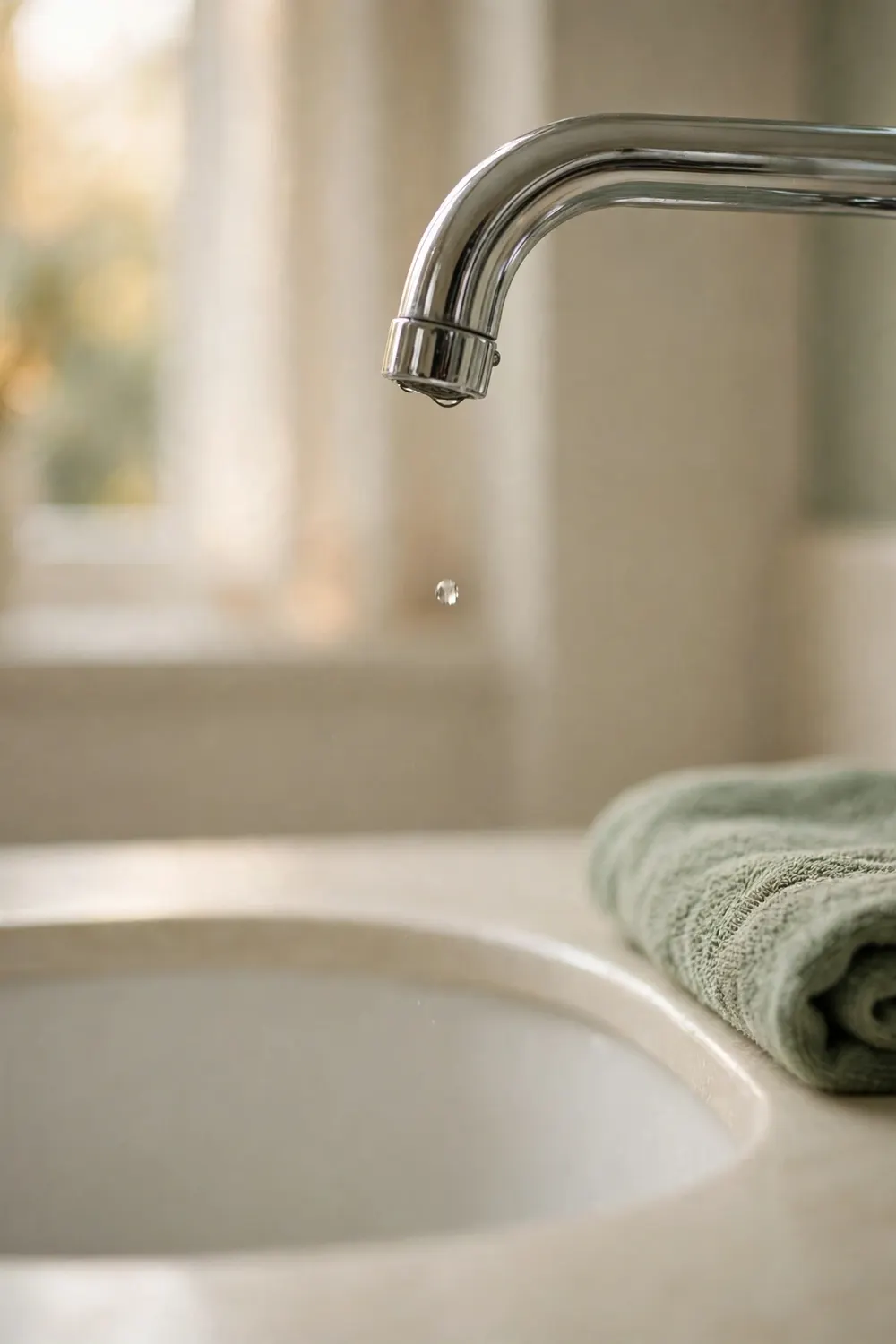
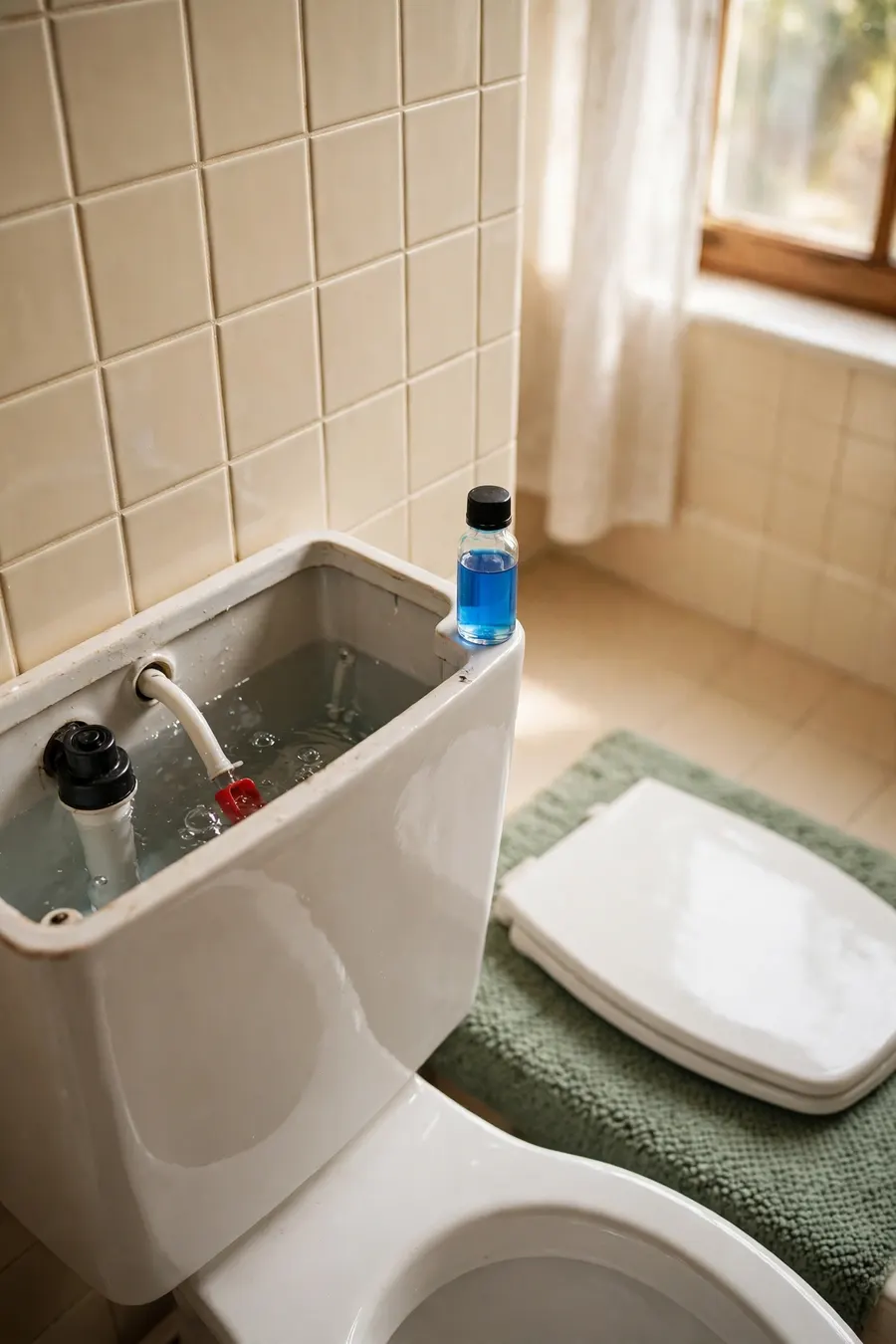
A running toilet is the classic invisible waste. The flapper valve inside the tank wears out and lets water slip from the tank into the bowl around the clock. You never hear a drip. You just see a water bill that makes no sense and feel that small knot of annoyance when it lands in the mailbox. The test costs nothing: put a few drops of food colouring in the tank, wait 15 minutes without flushing, and look in the bowl. Colour in the bowl means the flapper is leaking. A worn flapper is one of the cheapest plumbing parts to replace, and fixing it is the most satisfying lower water bill tip in this article because the waste simply stops.
Read the meter twice
If the toilet is fine and the bill still feels wrong, let the meter settle it. Read the water meter, then read it again after a quiet hour when nobody is showering, flushing, or running a load. If the dial moved while the house used nothing, something somewhere is leaking. Leak savings are real but invisible, and without this test you are guessing, which is how leaks run for another billing cycle.
Fit low flow where it counts
Low flow showerheads and faucet aerators cut the water you heat as well as the water you use, which is why they show up in every serious home utility savings list. Modern aerators mix air into the stream, so pressure feels similar while less water flows. Most showerheads unscrew by hand, and aerators twist on in minutes. Renters, keep the original fittings in a bag under the sink for move out day.
Shorter showers, fuller loads
Habit changes work best after the leaks are fixed. Shorter showers help, and running the dishwasher and washing machine only with full loads helps more than most people expect, because heating less water is also a gas or electric saving. The two bills are connected, and once you see that, save money on utilities stops feeling like ten separate projects and starts feeling like one system.
Set the water heater to 120 degrees F
Water heating is the second largest home energy expense, according to Altus Power, and most water heaters ship set at 140 degrees F. Turning the dial down to 120 degrees F saves roughly 4 to 8 percent on water heating costs, Altus Power estimates, and it reduces scald risk, which matters in any home with kids or older relatives. One honest safety note: households with certain health concerns sometimes keep the tank at 140 degrees F and use mixing valves to protect taps, so if that is your household, talk to a plumber first. On a gas heater, this setting is a gas saving wearing a water article’s clothes. Renters who cannot reach the water heater can make one polite written ask of the landlord; a lower setting eases the appliance’s workload, and that framing tends to land well.
A quick word on outdoor water
Water the garden early in the morning when less of it evaporates, fix the split hose connector instead of stepping over the puddle for another month, and sweep paths instead of hosing them.
The Gas Bill: It Is Really a Heating Bill
Give the thermostat a schedule
For gas heated homes, the thermostat schedule is a gas tip, not just an electric one. Each degree of adjustment is worth roughly 3 percent of heating and cooling cost, according to Altus Power, so a steady setback while you sleep or while the house is empty adds up without anyone shivering at the dinner table.
Seal the envelope first
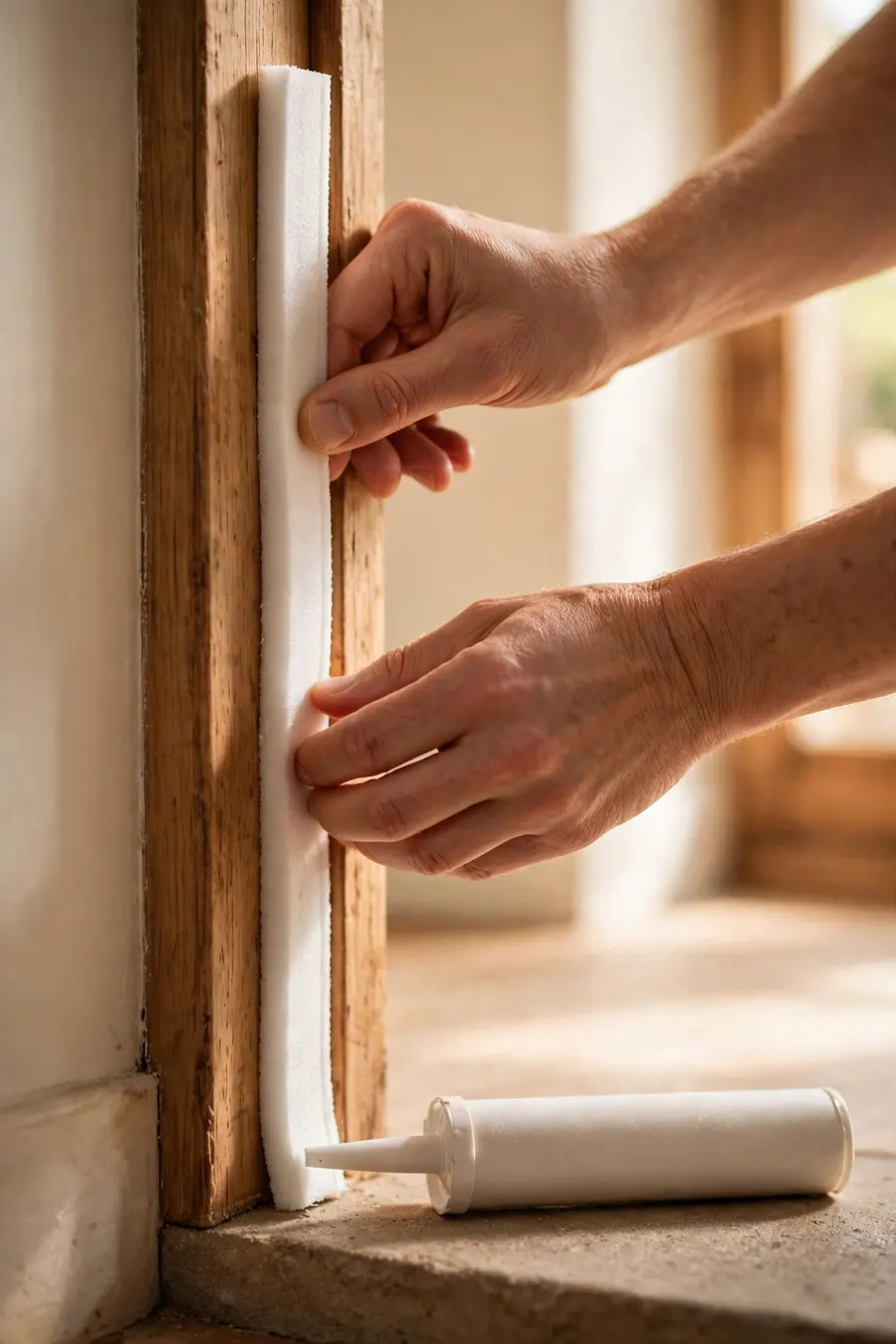
Drafts are where gas money leaves the building. Weatherstripping on the door that whistles, caulk on the window frame with the cracked line, a sweep on the door with daylight showing underneath: this unglamorous list is often the biggest gas saver of all, because heating dominates the bill. It is a deeply satisfying fix the first time the house stays warm after the furnace clicks off.
Service the furnace, check the filter
Book the furnace for an annual service, and check the filter monthly during the heating season. Choose Texas Power’s guidance on heating systems makes the same point for HVAC generally: a clogged filter makes any furnace work harder to push the same air. While you are looking, check that vents and radiators are not blocked. A sofa pushed over a vent is heated furniture, not a heated room.
Cook like the flame matters
Put lids on pans, and match the pan to the burner. Flames licking past the edge of a small pan are heating your kitchen, not your food. And if you have a fireplace, close the damper when it is idle; on a cold night an open damper is a warm air escape hatch in the middle of the wall.
The Waste Bill: The One Nobody Reads
Right size the trash service
Many haulers offer a smaller bin at a lower rate, and recycling or green waste collection can shrink what lands in the paid bin. Availability varies a lot by city, so this tip is a phone call, not a promise. Ask what the smaller service costs and whether it changes your monthly rate. Five minutes, once, and you know.
Shrink the trash itself
A smaller bin only works if the trash actually shrinks, and the heaviest part of most kitchen bins is food scraps. This is where kitchen systems pay twice: planning meals around what is already in the fridge means less food bought, less wasted, and a bin that fills more slowly. Our meal planning template article walks through that weekly rhythm.
Ask the autopay question once
Some utilities and haulers offer a small discount for paperless billing or autopay, and plenty offer nothing at all. Ask each provider once, write down the answer, and move on. Least exciting tip in this article, possibly the easiest money in it.
Do the annual utility audit
Once a year, give your bills one honest hour. Read every line, question every fee, and check every plan against how your household actually lives now, not how it lived three years ago. This audit is where the savings nobody mentions hide: the oversized trash plan, the heater setting nobody touched since move in day, the leak that started in March. Put it on the calendar, because willpower forgets and calendars do not.
Common Mistakes
- Chasing gadgets before leaks. A smart device on a house with a running toilet is decoration. Fix the drip first.
- Believing budget billing is a saving. It averages payments across the year so heavy months level out. Useful for cash flow, but the amount you use never changes.
- Forgetting the water heater safety note. Most homes do fine at 120 degrees F. Households with health concerns should check before changing the setting.
- Shrinking the bin before shrinking the trash. Overflow bags beside a too small bin help nobody. Cut the food waste first, then call the hauler.
- Skipping the meter test. If you never test, you never know whether the leak is fixed or still quietly billing you.
Frequently Asked Questions
Conclusion
Nobody frames a water bill and hangs it in the hallway, which is exactly why these savings hide so well. Hunt the silent leaks with the colouring test and the meter test. Set the water heater to 120 degrees F and let that one dial work on two bills at once. Treat gas as a heating bill and seal the house before touching anything fancier. Then make the phone call about the trash bin, and put the annual audit on the calendar. For the electric side, our guide to lowering your electric bill puts all 21 changes in savings order. The forgotten bills are not glamorous. They are just yours, and they are worth the hour.