21 Ranked Ways to Lower Your Electric Bill, Biggest Savings First
There is a particular feeling that comes with opening the electric bill in the middle of summer. You already know it will be high. You open it anyway, standing at the kitchen counter, and your stomach drops a little. Most households know that moment. The air conditioner has been working hard, the laundry never stops, and the total at the bottom looks like a car payment.
Here is the good news buried in that bad feeling. An electric bill is not one big problem. It is a short list of things that use power, and a few of them use almost all of it. This guide ranks 21 changes by how much they can actually save, biggest first. The top of the list is free, the gimmicks are called out honestly at the end, and renters are included all the way through, because most of these changes need nobody’s permission.
Key Takeaways
- Heating and cooling is the biggest slice of a home’s electricity use, so a real thermostat schedule is the single most effective change.
- Turning the water heater down to 120°F costs nothing, takes one minute, and starts saving the same day.
- Phantom load is real, but it lives in clusters like the TV stand and the home office, not in one lonely phone charger.
- Swap the bulbs you use most to LED first. The closet bulb can wait.
- Buy efficient appliances when the old ones die, not before. The honest savings come from the free fixes at the top of this list.
The most effective ways to lower an electric bill are, in order: put heating and cooling on a real thermostat schedule, seal the air leaks that let conditioned air escape, turn the water heater down to 120°F, and check that you are on the right rate plan. Those four are free or nearly free, and they work because heating, cooling, and water heating use most of the electricity in a typical home. Everything after them is a smaller saving that stacks on top.
Where Your Electric Bill Actually Goes

First, it helps to know what you are paying for. MoneyPPL puts heating and cooling at roughly 40 to 50 percent of a typical home’s electricity use, and Choose Texas Power calls heating and cooling the largest chunk of residential electricity usage. Water heating is the second largest energy expense in most homes. Appliances, electronics, and lighting each take a much smaller share.
That is why this list is ranked the way it is. A change that touches heating and cooling moves the whole bill. A change that touches one small device barely shows up. Every change below explains what uses the power and why the change cuts it, so you can judge the order for yourself.
Tier 1: The Big Levers, and Most of Them Are Free
1. Put the Thermostat on a Real Schedule
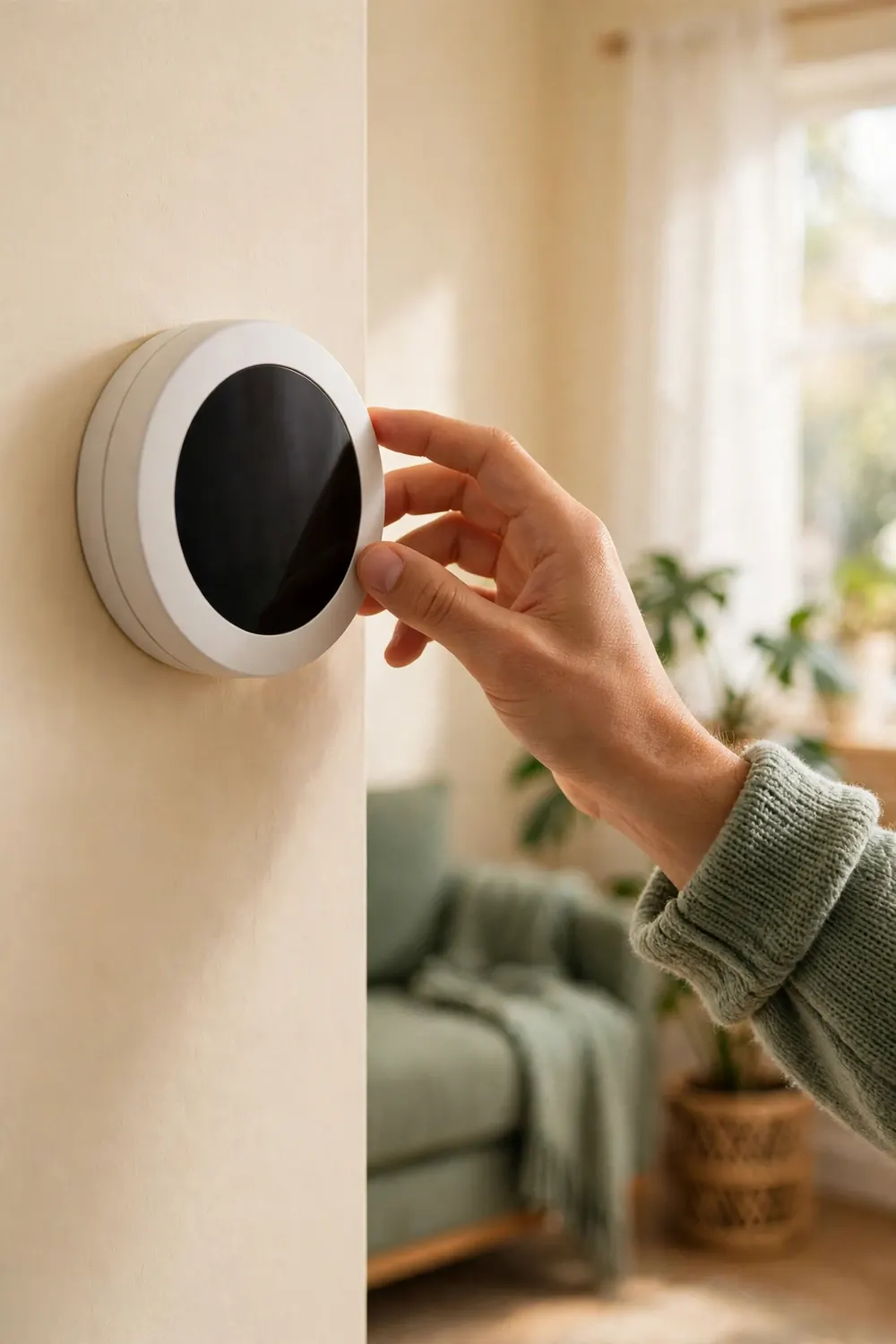
This is the biggest lever on the list, and it costs nothing. Set the thermostat back while everyone sleeps and while the house is empty, then let it return to a comfortable temperature before you wake or come home. In summer the setback goes up. In winter it goes down. Altus Power estimates each degree of adjustment is worth roughly 3 percent of heating and cooling cost, and since heating and cooling is close to half the bill, a few degrees held for eight hours a day adds up quietly.
2. Seal the Air Leaks

Conditioned air that leaks out is money spent on comfort you never got to feel. Weatherstripping around doors, caulk around window frames, a sweep on the front door, and a sealed attic hatch cover most of the cheap wins. Effort: one modest hardware store trip and a weekend morning. Payback: usually weeks to one season. Renters can use the removable versions. It ranks second because a tight house holds its temperature, so change number one works harder.
3. Change the Filters and Keep Up With Maintenance
A clogged filter makes the blower work harder, so the system runs longer to do the same job. Choose Texas Power suggests replacing air filters about monthly and scheduling a service visit in spring and fall. Filters are cheap, and the bigger prize is protecting what is usually the most expensive machine in the house from an early replacement.
4. Turn the Water Heater Down to 120°F
Most water heaters ship set at 140°F, hotter than any household task needs. One dial turn down to 120°F is free and takes a minute. Altus Power estimates the change saves roughly 4 to 8 percent on water heating costs, and it reduces scald risk at the tap, which matters in a house with small children or older parents. Water heating is the second largest energy expense in the home, so a steady percentage off it is real money over a year.
5. Check Your Rate Plan
In deregulated states, the supplier line on your bill can sit well above the utility’s default rate, and households pay it for years without noticing. Find the supplier charge on one bill, compare it with the default, and if you are overpaying, one phone call can fix it the same day. Everyone else should check whether a time-of-use plan fits. On those plans, Altus Power notes the same load of laundry can cost about half as much off-peak as at peak hours, but only if you can honestly shift laundry and dishes to evenings or weekends.
6. Add a Smart Thermostat Only If You Will Not Program the One You Have
A smart thermostat saves nothing by itself. It saves by automating change number one for households that keep forgetting the dial. Learning schedules, geofencing that notices an empty house, and filter reminders are genuinely useful if that sounds like your family. Payback runs to months, and only when the manual schedule was not happening. Already good with the dial? Skip this purchase with a clear conscience.
Tier 2: Steady Savers That Add Up Month After Month
7. Wash Clothes in Cold Water, Full Loads Only
The expensive part of laundry is heating the water, not turning the drum. Modern detergents clean well in cold water for everyday loads, and full loads mean fewer heated loads each week. Line drying when you can removes the dryer entirely, and even line drying heavy jeans and towels cuts dryer time on the rest.
8. Swap the Most-Used Bulbs to LED First
Lighting is a smaller slice of the bill than heating, so this is a steady saver, not a big lever. Electric Kiwi notes LED bulbs use up to 85 percent less energy than traditional bulbs and last far longer. Start where lights burn for hours: kitchen, living room, porch. The closet bulb that runs ten minutes a month can be last.
9. Kill Phantom Loads at the Cluster, Not the Charger

Phantom load is the power devices draw while switched off but plugged in. Altus Power puts it at about 5 to 10 percent of a typical home’s electricity. The worst offenders are cable boxes, game consoles, and anything with a glowing light or chunky wall charger. One smart strip on the TV and console cluster, another on the home office, handles nearly all of it. Unplugging a single phone charger, honestly, saves almost nothing. Clusters are the point.
10. Take Shorter Showers and Add a Low-Flow Showerhead
Hot water is heated water, and showers are where a lot of it goes. A few minutes off each shower, plus a low-flow showerhead and faucet aerators, cuts both the water and the energy used to heat it. Keep it reasonable. A shower that is a little shorter still has to feel like a shower, or nobody will stick with it.
11. Use Ceiling Fans the Right Way Round
Fans cool people, not rooms, so they only save money when someone is there to feel them. Counterclockwise in summer, the breeze lets you raise the thermostat a few degrees and feel just as cool. In winter, reverse on the lowest setting to push warm air gathered at the ceiling back down. Switch fans off when you leave. A fan in an empty room is just another motor on the bill.
12. Insulate the Water Heater Tank and the First Hot Pipes
If the tank feels warm to the touch, it is losing heat around the clock and reheating water to make up for it. A water heater blanket kit and foam sleeves on the first stretch of hot pipe are cheap and take under an hour. Older tanks benefit most. Unglamorous work that pays steadily for as long as the tank lives.
13. Run the Dishwasher and Laundry Full, and Let Dishes Air-Dry
Full loads only, for both machines. On a time-of-use plan, run them off-peak when kilowatt hours cost less. On the dishwasher, turn heated dry off and let dishes air-dry, or crack the door when the cycle ends. Heating elements are among the hungriest parts of any appliance, and the drying element is one you can simply decline.
14. Set the Fridge and Freezer Right and Clean the Coils
Keep the fridge at or below 40°F for food safety and the freezer at 0°F. Colder is wasted electricity. Vacuum dust off the coils if you can reach them, since dusty coils make the compressor work harder. Then the paper test: close the door on a sheet of paper, and if it slides out easily, the seal is leaking cold air. A fridge runs day and night, so small inefficiencies never rest.
15. Work the Sun Instead of Fighting It
In summer, close blinds and curtains on the sunny side in the afternoon, when heat through the glass is strongest. In winter, open them on sunny days and let free heat in, then close them at night as a layer against cold glass. A two minute habit, twice a day, costing exactly nothing.
16. Cook With the Small Appliance
Heating a full-size oven for a small meal warms the whole cavity, and in summer the kitchen too, which the air conditioner then has to undo. A microwave, toaster oven, or slow cooker handles small meals with far less energy. On the stove, put lids on pots. Water boils faster and stays hot with less heat under it.
Tier 3: Worth Doing When the Time Is Right Anyway
These five carry real savings, but they involve spending real money, so they belong at replacement time or project time. Do not rush out and buy your way down this part of the list.
17. Top Up Attic Insulation
Heat rises in winter and bakes down through the roof in summer, and thin attic insulation lets both happen. Topping it up is a project, not a chore, but the payoff runs for years and helps every season. If you only ever do one project here, this is the one contractors point to most.
18. Replace the Oldest Appliance First, When It Dies
An ancient fridge is the usual suspect, running day and night on old, inefficient innards. When an appliance dies, replace the oldest and hungriest first and choose an ENERGY STAR model. Replacing a working appliance early rarely pays, because the purchase price swallows years of savings upfront. Let things live their full life, then buy well.
19. Choose a Heat Pump Water Heater at Replacement Time
When the water heater gives out, a heat pump model is the upgrade worth pricing. Electric Kiwi notes heat pump water heaters can cut water heating costs by up to 60 percent compared with conventional electric models. The upfront price is much higher, so this is a planned purchase at replacement time, not a weekend impulse. With water heating the second largest energy expense in the home, the long-term math can be kind.
20. Look at Community Solar If Your State Offers It
Community solar lets you subscribe to a share of a local solar project and receive bill credits, with no panels on your roof and nothing to install. Altus Power cites typical savings of 5 to 20 percent on electricity costs, where available, and it varies by program. It works just as well for renters as for owners. Read the contract terms carefully before signing, as with any subscription.
21. Ask Your Utility What Is Free
Many utilities offer free or cheap home energy audits, rebate lists for efficient appliances, and app usage alerts that warn you when consumption spikes. An audit points at the leaks and habits specific to your house instead of generic advice. One honest note: budget billing smooths payments into equal monthly amounts. It helps budgeting, but it does not reduce usage or total cost by a single kilowatt hour.
Do These Three This Weekend
If the full list feels like a lot, start with the three changes that give the most back for the least effort:
- Set the thermostat schedule (change 1). Ten minutes, free, biggest lever on the bill.
- Turn the water heater down to 120°F (change 4). One dial, free, saves from the same day.
- Put a smart power strip on the TV cluster (change 9). One purchase, and the cable box and console stop sipping power all night.
Skip These: The Tips That Barely Move the Bill
- Unplugging one phone charger. A lone charger draws so little that a year of unplugging it would not show on a bill. Phantom load is worth fighting at the entertainment and office clusters, not charger by charger.
- Sweating over a single LED bulb left on. LEDs sip power. Turn lights off in empty rooms as a habit, yes, but do not feel guilty over one small bulb while the air conditioner cools an empty house.
- Signing up for budget billing to save money. It evens out payments. It does not lower usage or cost.
- Replacing working appliances early in the name of savings. The purchase price swallows years of efficiency gains. Replace at the end of a machine’s life, and replace the oldest one first.
Frequently Asked Questions
What single change lowers an electric bill the most?
Scheduling the thermostat. Heating and cooling is the largest share of household electricity use, at roughly 40 to 50 percent according to MoneyPPL, so setting temperatures back while you sleep and while the house is empty attacks the biggest cost directly. It is also free, which is why it sits at number one.
Is 120°F hot enough for a water heater?
For most homes, yes. It is the widely recommended setting, it saves on water heating costs, and it reduces the risk of scalds. Some households with specific health concerns keep the tank at 140°F and use mixing valves at the taps instead, which is a reasonable setup too.
Do smart power strips actually pay for themselves?
On the right clusters, yes. A strip controlling the TV, cable box, and game console, or a desk setup with monitors and speakers, cuts a real slice of standby draw and pays for itself over time. On a lone phone charger, no. The charger by itself draws too little to matter.
Where to Start on Monday Morning
You do not need all 21 of these, and you definitely do not need them this week. This week, set the thermostat schedule, turn the water heater down to 120°F, and put one smart power strip on the TV cluster. Maybe an hour of effort, most of it free, aimed squarely at the parts of the bill that are actually big.
Then give it one billing cycle. Watch the kilowatt hours, not just the dollars, because the weather muddies the dollar comparison. When you can see what those three changes did, the next three will choose themselves. A lower electric bill is not built in one heroic weekend. It is built the way most good household things are built, one sensible change at a time.