Home Energy Saving Tips for Winter That Pay Off by Spring
There is a particular dread that comes with opening the January energy bill. You were careful. You wore the sweater. And the number still lands like a small insult, because the house has been leaking heat you paid for into the cold air outside.
The good news is that the smartest home energy saving tips for winter are not winter only. Every fix on this list was chosen because it pays twice: once while the heating runs, and again in spring when the same house needs cooling. Seal a leak in January and it stays sealed in July. Build a thermostat routine now and the summer version is already half learned.
Key Takeaways
- Heating and cooling is the biggest share of home electricity use, roughly 40 to 50 percent according to MoneyPPL, so the thermostat and the leaks around your heated air outrank every gadget.
- Each degree of thermostat setback is worth roughly 3 percent of heating and cooling cost, according to Altus Power, and a winter schedule flips straight into a summer cooling schedule.
- Turning a water heater down from its factory setting of 140 degrees F to 120 degrees F saves roughly 4 to 8 percent on water heating costs, according to Altus Power, in every month of the year.
- Air sealing, insulation, thermostat schedules, and thermal curtains all fight heat moving the wrong way, which is why the same work cuts summer cooling bills too.
- Judge results across a season, comparing the same months last year, because weather swings make any single bill a liar.
What Home Improvements Save the Most Energy in Winter?
The home improvements that save the most energy in winter are air sealing and insulation first, then a thermostat schedule, then turning the water heater down to 120 degrees F, then window coverings that slow heat loss. Heating and cooling accounts for roughly 40 to 50 percent of a typical home’s electricity use, according to MoneyPPL, and water heating is the second largest home energy expense, according to Altus Power. That order matters. The money sits in keeping heated air inside and letting the heating system rest, not in small gadgets. Everything below follows that ranking, and each item carries its spring payoff with it.
1. Put the Thermostat on a Schedule and Let It Learn Your House
A thermostat schedule is the rare habit that costs nothing and runs all year. Set the heat back while you sleep and while the house is empty. Each degree of that setback is worth roughly 3 percent of heating and cooling cost, according to Altus Power, so a few degrees held for eight hours a day adds up quietly. Come spring, nothing about the habit changes except the numbers: the same routine, flipped for cooling season.
This is also the honest case for a smart thermostat. Winter is its learning period: it watches when the house wakes, empties, and fills again, and by spring it can run the cooling schedule on the same patterns, using its learning schedule, geofencing, and energy reports. If your manual routine never slips, though, it only automates a habit you already have. It does not invent a new kind of saving.
Reverse the ceiling fans while you are at it
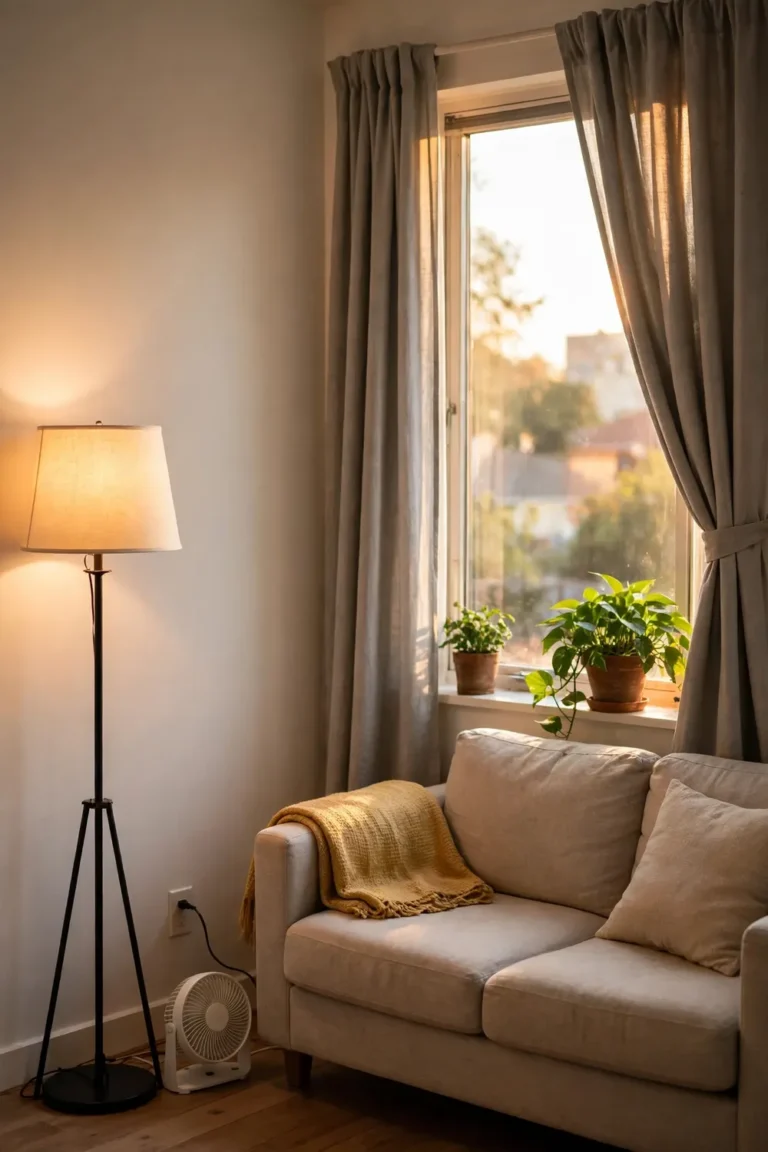
Warm air rises and pools at the ceiling where nobody lives. Run ceiling fans in reverse on low in winter and they push that warm air back down into the room. In summer, flip the direction back so the fan blows down and cools the people under it. One small switch, two seasons of use.

2. Seal the Leaks: The Home Energy Saving Tip Winter and Summer Share
A leaky house leaks in both directions. The gaps that let heated air escape in January are the same gaps that let hot air creep in during August, which makes air sealing the best two season job in the house.
The short version of the sealing list: weatherstripping on doors that show daylight, caulk around window frames, a door sweep on the front door, foam gaskets behind outlet plates on outside walls, and attention to the attic hatch, often the worst leaker of all. Removable window film kits on the worst windows help too and come off cleanly in spring. The full draft hunt, room by room, lives in our guide to lowering your electric bill in winter.

Spring payoff: every sealed gap also keeps air conditioned air inside in summer, so the cooling system rests more on the hottest days.
3. Turn the Water Heater Down and Insulate the Hot Water Path
Most water heaters ship set at 140 degrees F, hotter than any household task needs. Turning the dial down to 120 degrees F saves roughly 4 to 8 percent on water heating costs and reduces scald risk at the tap, according to Altus Power, and MoneyPPL recommends the same setting. It takes one dial and about two minutes. One honest exception: households with certain health concerns sometimes keep 140 degrees F and use mixing valves instead, and that is a legitimate choice, not a failure.
While you are standing there, wrap an older tank in an insulation blanket and slip foam insulation over the first hot water pipes leaving it. The pipe insulation does double duty, because on exposed pipes in cold corners it is also freeze protection.
That second job matters more than the savings math. The real payoff of pipe insulation is avoiding one burst pipe repair, which costs more than a whole season of energy tips combined. Do not chase savings by letting unused rooms drop toward freezing either. Keep some heat moving through the house, and let the pipes stay safe.
Spring payoff: water heating runs twelve months a year, so the 120 degrees F setting and the tank blanket keep saving long after heating season ends.
4. Dress the Windows for Both Seasons
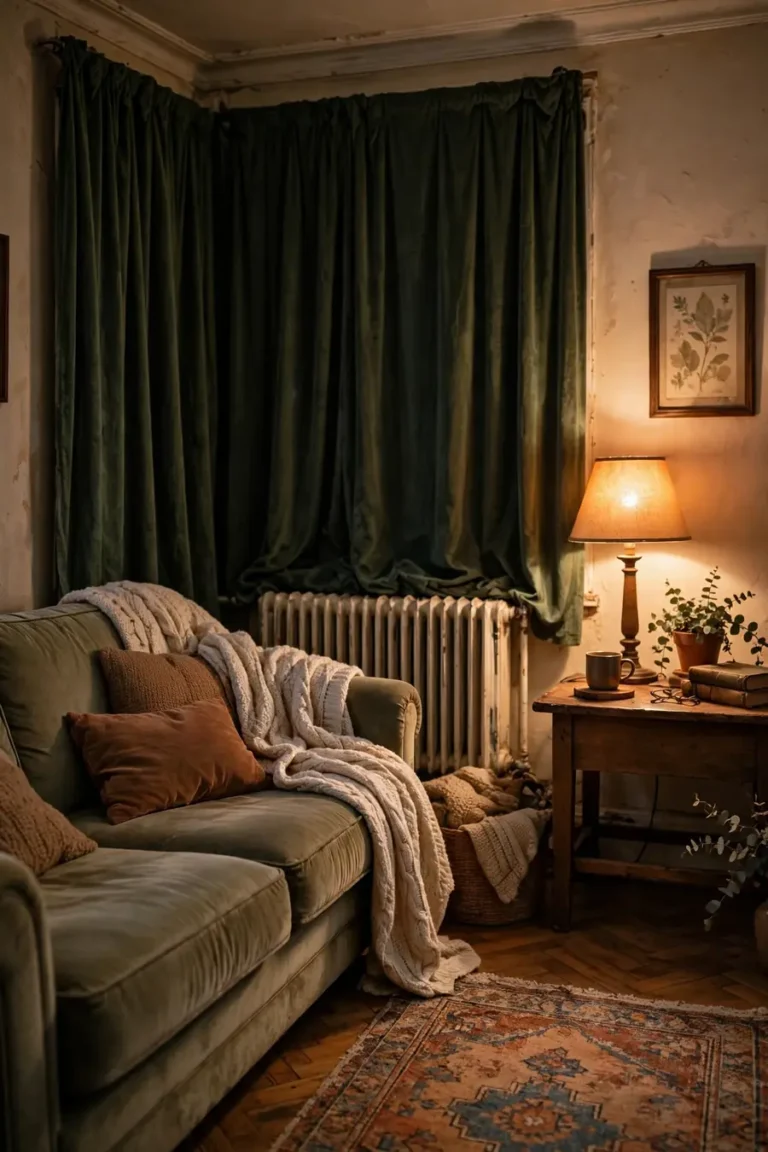
Bare glass is where a warm room goes to feel cold. Heavy thermal curtains over the worst windows slow that down in winter, and the habit is simple: open them when the sun is on the glass so the room takes free heat, close them at dusk so the warmth stays in.
The same curtains earn their keep again in summer, when they become the layer that keeps afternoon sun heat out of those rooms. Nothing to reinstall, nothing to store.
Spring payoff: the curtains, the film kits, and the habit of opening and closing them on a schedule all transfer straight into cooling season.
5. Top Up Attic Insulation When a Bigger Project Fits
This is the one item that is not a cheap weekend job, and it belongs here anyway because the ranking demands it. Heat rises, and thin attic insulation lets it pour out of the house all winter, then lets summer heat radiate down into the same rooms. Topping it up is project money, not pocket money, and the payoff runs for years in both directions.
Before paying full price, ask your utility what it offers. Many utilities run free or cheap home energy audits and keep rebate lists for insulation work, and finding out is one phone call. If a bigger project does not fit this year, the first four items still carry most of the savings.
6. Swap to LEDs While the Lights Burn Longest
Winter is when household lights burn the most hours, which makes it the season when an LED swap pays back fastest. LED bulbs use up to 85 percent less energy than traditional bulbs, according to the Electric Kiwi savings guide. In plain terms, a bulb that sips a fraction of the energy stops being a decision at all. Start where lights stay on for hours, the kitchen, living room, and porch, and leave the closet bulb for last.
December has its own small spike: holiday lights. LED strings on a simple timer give you the glow without lights burning at 3 a.m. when nobody is awake to enjoy them. By spring the buying habit is set, and every replacement bulb is an LED from then on.
7. Service the System and Put Spring on the Same Calendar
A heating system with a clogged filter works harder to move the same air. Replace air filters about monthly during heavy use, and schedule professional service in spring and fall, as Choose Texas Power suggests. The autumn service protects your efficiency all heating season, and writing the spring air conditioning service into the same calendar entry means it actually happens, which is how the winter rhythm carries straight into cooling season.
Common Mistakes That Quietly Eat the Savings
- Heating the whole house with space heaters. A space heater is typically a 1,500 watt device. Heating one occupied room with one, while turning the central heat down, can save money. Heating the whole home with them usually costs more than central heat, and one should never be left running unattended.
- Closing the house down too hard. Shutting vents and letting spare rooms get near freezing trades a small saving for a real burst pipe risk. Pipes are the limit on how cold any room should get.
- Buying gear before sealing. The fanciest thermostat in a leaky house just automates heating the outdoors more precisely. Seal first, then automate.
- Judging by one bill. A mild February looks like genius and a cold January looks like failure, and neither is about you. Weather is the biggest variable in any single month.
Prove It to Yourself by Spring
Pick up last winter’s bills and this winter’s, month by matching month, and write down what changed and when. Thermostat schedule started in November. Sealing done over two December weekends. Water heater turned down in January. That little record turns a vague feeling into evidence, and tells you which changes actually earned their keep.

When the heating season ends, five quick jobs keep the payoff rolling:
- Flip every ceiling fan back to its summer direction.
- Review the thermostat schedule and set the cooling version.
- Put in fresh filters and clean the outdoor unit’s coils.
- Book the spring air conditioning service you already wrote on the calendar.
- Compare the season’s bills against last winter and note what worked.
Frequently Asked Questions
Which winter fixes also cut summer cooling bills?
Air sealing, insulation, thermostat scheduling, and window coverings, because all four fight heat moving the wrong way in both seasons.
When will I actually see the savings?
Small habit changes, like a thermostat schedule and the water heater dial, show up in the next bill or two. Sealing is best judged across a whole season against the same months last year, because weather differences between single months can hide the effect.
Is a smart thermostat worth it if I already set mine back manually?
Only if your routine slips. A smart thermostat automates the setback habit with its learning schedule, geofencing, and energy reports, but it does not create a new category of saving. If you already set back every night and workday without fail, your savings are already happening.
Is 120 degrees F hot enough for a water heater?
Yes, for most homes. It is the widely recommended setting, it saves roughly 4 to 8 percent on water heating costs according to Altus Power, and it reduces scald risk at the tap. Households with certain health concerns sometimes keep 140 degrees F with mixing valves, which is the honest exception.
Is plastic window film worth it?
On single pane or clearly drafty windows, yes. It is one of the cheapest winter fixes there is, it cuts the cold coming off the glass, and it peels off in spring, which is exactly why renters rely on it.
Conclusion
The home energy saving tips for winter that deserve your weekends are the ones still working for you in June. A schedule on the thermostat, a sealed shell, a water heater set to 120 degrees F instead of 140 degrees F, curtains that work in both directions, and pipes wrapped before they can freeze: none of it is glamorous, and all of it pays twice. Start with the schedule and one sealing job this weekend. If you want the bigger ranked list next, our 21 changes for lowering your electric bill pick up right where this list leaves off.