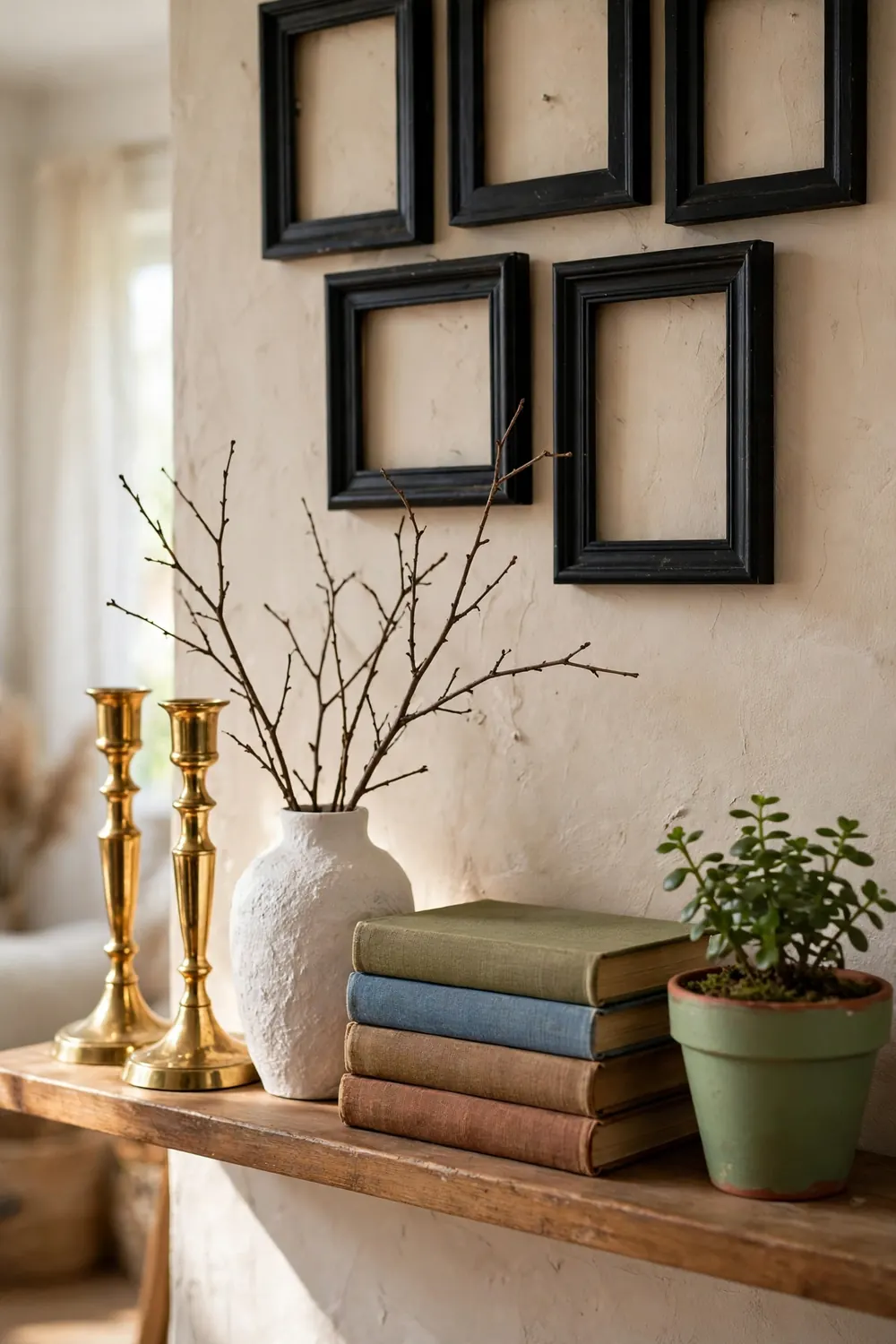
15 Thrift Flip Ideas That Turn Secondhand Finds Into Home Decor
There is a moment in every thrift store trip when you stop seeing price tags and start seeing potential. A brass lamp with a stained shade. A beautifully carved frame holding a faded print of nothing much. A side table painted a color nobody would choose on purpose. Other shoppers walk straight past all of it, because the finish hides the shape underneath.
That is the whole secret behind good thrift flip ideas home decor. You are not really shopping for objects. You are shopping for good bones at secondhand prices, then spending a little time instead of a lot of money. Small finds are the kindest place to start, too. If one goes sideways, you are out a few dollars and an afternoon, and you still learned how a paint behaves.
Key Takeaways
- Shop for shape, not color. Good bones and an interesting form matter; the finish is the easiest thing to change.
- Cleaning is half of most flips. A degrease, a sticker removal and a polish do more than many paint jobs.
- One repeated finish turns mismatched thrift flip decor into a set that looks collected on purpose.
- A hardware swap gives the highest return per effort here. No paint, no sanding, just a screwdriver.
- Walk away from anything that smells of smoke or mildew, wobbles, or has a frayed lamp cord.
What Are the Easiest Thrift Store Items to Flip for Home Decor?
The easiest thrift store items to flip for home decor are solid brass candlesticks and trays, clear glass vases, ornate picture frames, heavy metal lamps with sound cords, ceramic planters, hardcover books, and small wood cabinets that only need new knobs. They ask for cleaning, polish, or one coat of spray paint rather than repair skills, most finish in an afternoon or less, and the best hold up to daily use for years.
How to Spot a Flippable Piece in 60 Seconds
Learn this quick store test, run right there in the aisle, and you will stop bringing home regrets.
Solid material. Pick it up. Real brass has weight, real wood has heft, and good glass feels thick at the rim with no chips. A magnet will not stick to solid brass, a handy way to tell it from brass colored steel.
Structurally sound. Drawers should slide, doors should sit straight, and joints should not wobble. Slight looseness you can tighten or glue is fine. A twisted table leg is a project you did not sign up for.
Working parts. Switch the lamp on. Most thrift stores keep an outlet strip near the back for exactly this. Check hinges, clasps and zips while you are at it.
The smell test. Hold the piece close and be honest. Smoke and mildew that have lived in wood, fabric or paper for years rarely leave, no matter how prettily you paint over them.
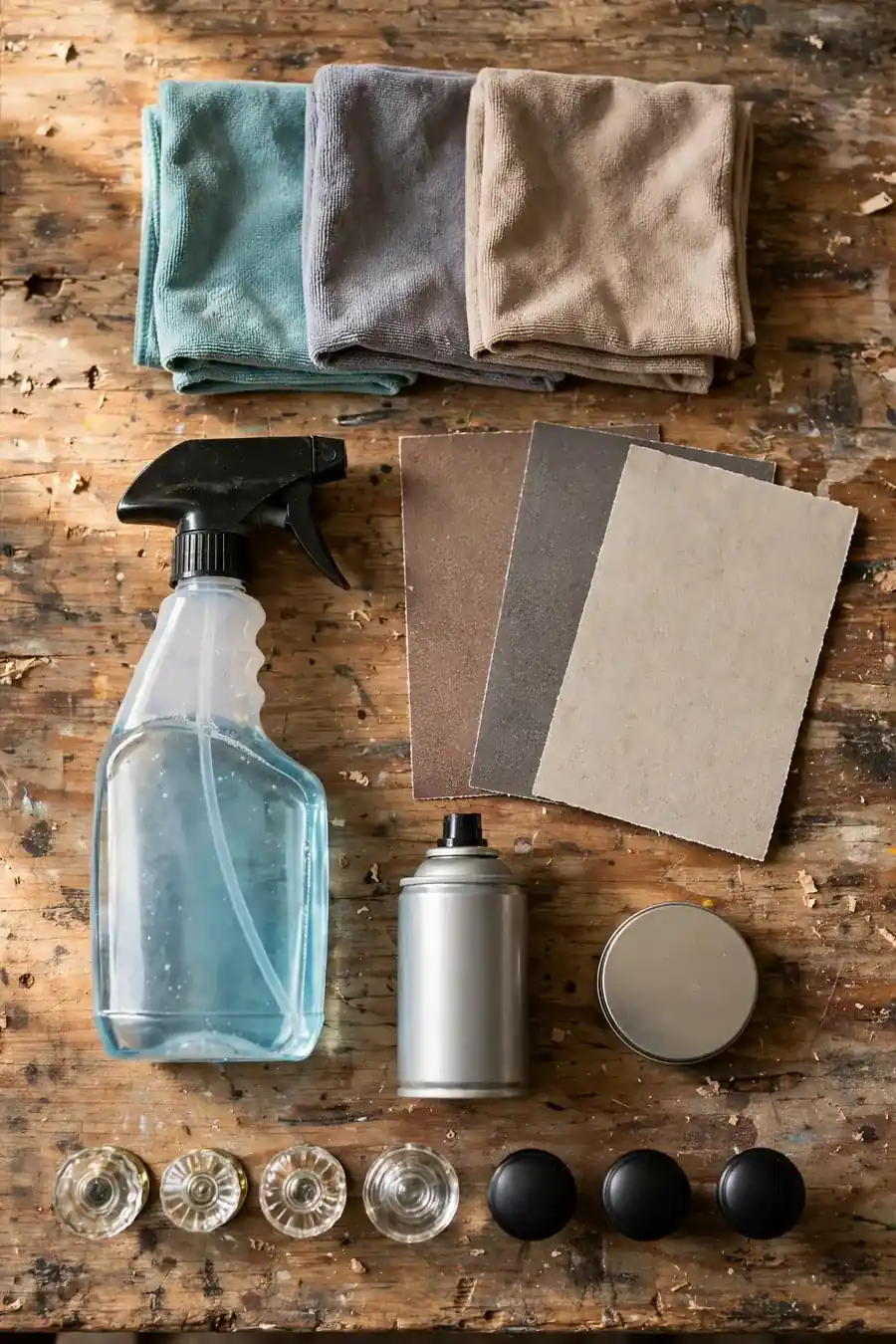
If a piece fails two of the four, leave it for someone else. And whatever passes, clean it before you judge it. Half of most before and after transformations are just a degrease, a price sticker soaked off, and a polish. Keep a small kit ready: degreaser, adhesive remover, wood conditioner or wax for dry wood, brass polish, and microfiber cloths.
Paint Flips: One Can Does Most of the Work
Spray paint is the beginner’s best friend. It asks only for patience with thin coats. Work outdoors or somewhere with real airflow, keep the can moving, and let each coat dry before the next.
Clear Glass Vases
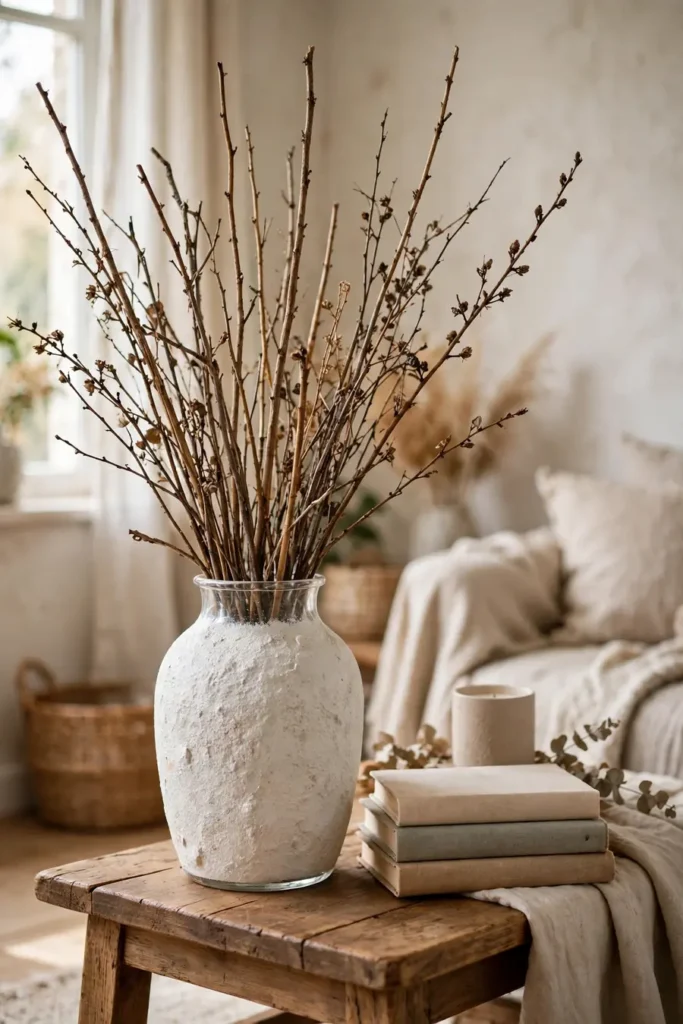
Look for a strong silhouette and thick glass, and ignore how dated the shape feels. Wash and dry the vase completely, then use a textured spray paint, or stir a little baking soda into ordinary paint for a matte, stone like finish. Fill it with branches or tall stems and it reads like a designer piece. The honest limit: paint on glass scratches if it gets knocked around, and constant water changes wear it, so this one is happiest with faux stems.
Ornate Picture Frames
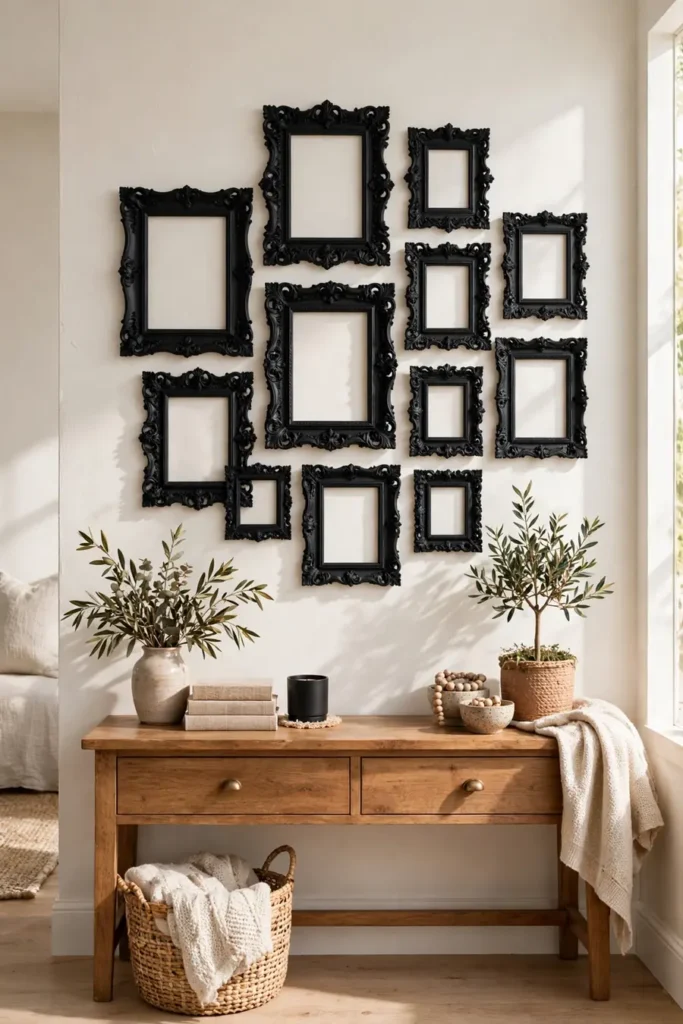
Look for carved detail, real wood, and corners that are tight. Clean the frame, give glossy finishes a light scuff so paint can grip, then spray every frame the same unifying color, matte black or antique gold. Grouped as a gallery wall, the shapes do the work and the shared finish makes them a set. The honest limit: broken corner joints and cracked glass quietly raise the cost, and odd sizes need art cut to fit, so measure first.
Heavy Metal Lamps
Look for heft. A solid base and a straight stem matter more than the current finish, and the cord and switch matter most of all, so plug it in before it goes in the cart. At home, clean the lamp, tape off the socket and cord, and respray it in a current finish like oil rubbed bronze or matte black. Finish with a clean new shade. The honest limit: a frayed cord means skip it, unless you can rewire it yourself. An electrician’s fee usually kills a budget flip.

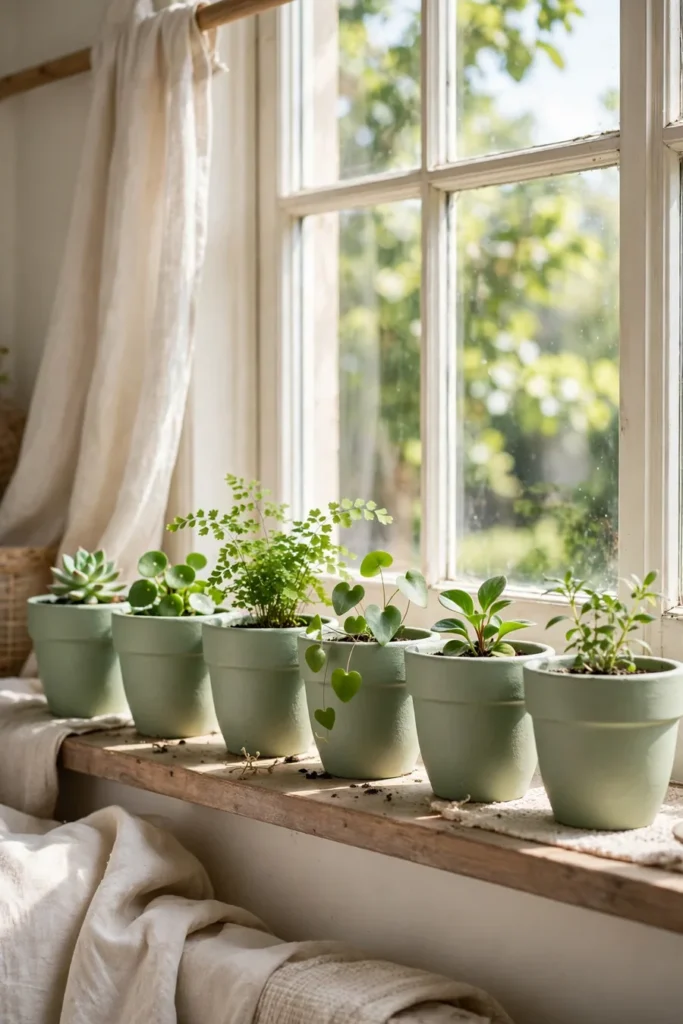
Ceramic Planters and Pots
Look for solid ceramic with no cracks, ideally with a drainage hole or room for an inner pot. Scrub off the grime, let the pot dry fully, then spray a run of mismatched pots in one color so a windowsill reads as a set. An empty planter can earn its keep as a utensil crock or desk organizer. The honest limit: paint near the inside rim can peel from constant moisture, so keep soil and water below the painted line or drop the plant in its nursery pot.
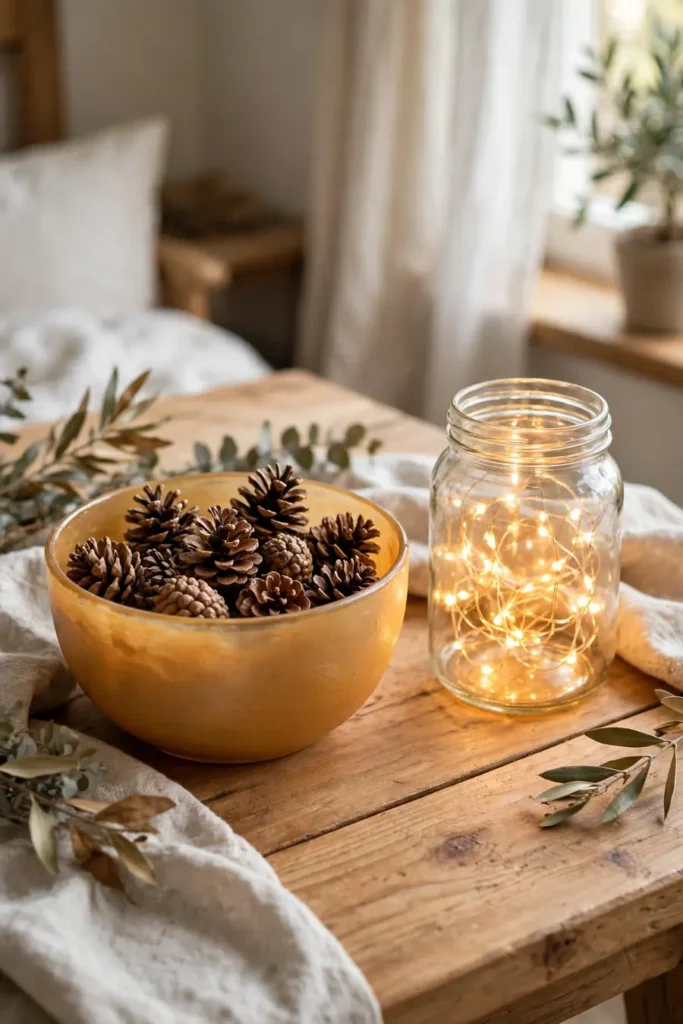
Glass Bowls and Jars
For a colored glass look, paint the OUTSIDE of a clear bowl only. That keeps the honesty simple: a painted bowl is decor, not a serving dish, so fill it with ornaments, pinecones or the mail. Plain jars become lanterns with a candle or fairy lights inside, and glow far above their price. The honest limit: painted surfaces and food do not mix, ever, and wash these gently by hand if they get dusty.
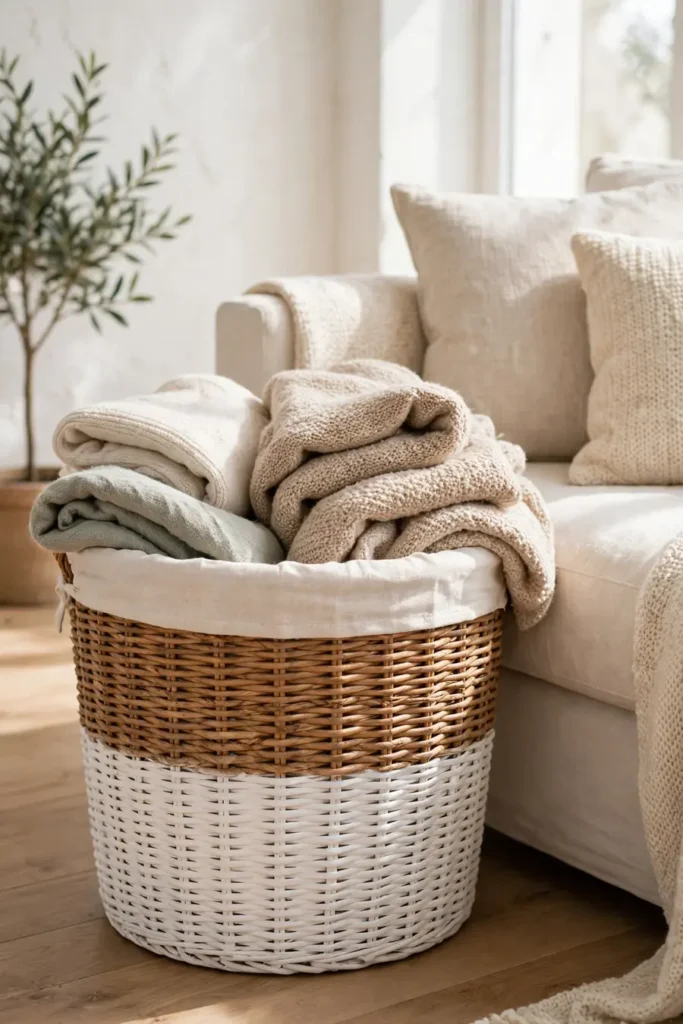
Baskets
Look for a sturdy weave with no broken ribs and a shape you would use. Brush out the dust, then spray the whole basket one color, or dip just the bottom half for a calm two tone look. Line it with fabric and it becomes throw storage that looks intentional. The honest limit: paint can crack on flexible wicker that gets squeezed daily, so painted baskets do best holding blankets and sitting still.
Wood and Polish Flips: Shine Is a Finish Too
Not every flip needs paint. Some of the most satisfying thrift flip furniture and decor pieces just need thirty years of grime taken off them.
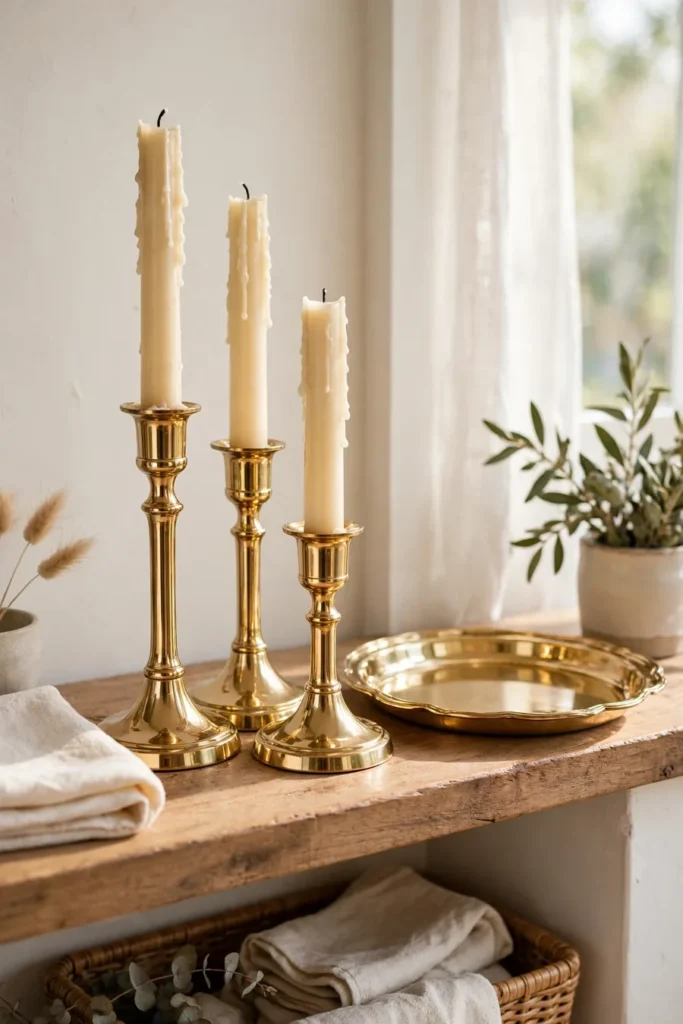
Brass Candlesticks and Trays
Tarnish is your friend here, because it scares off other shoppers and knocks the price down. Look for real weight and a shape you like. Soak off the worst of it, then polish or buff until the gleam comes back. Grouped in odd numbers on a shelf or down a table, they style like boutique finds. The honest limit: deep pitting and heavy scratches do not polish out. Call it patina, or leave the piece behind.
Old Silver-Plate Trays
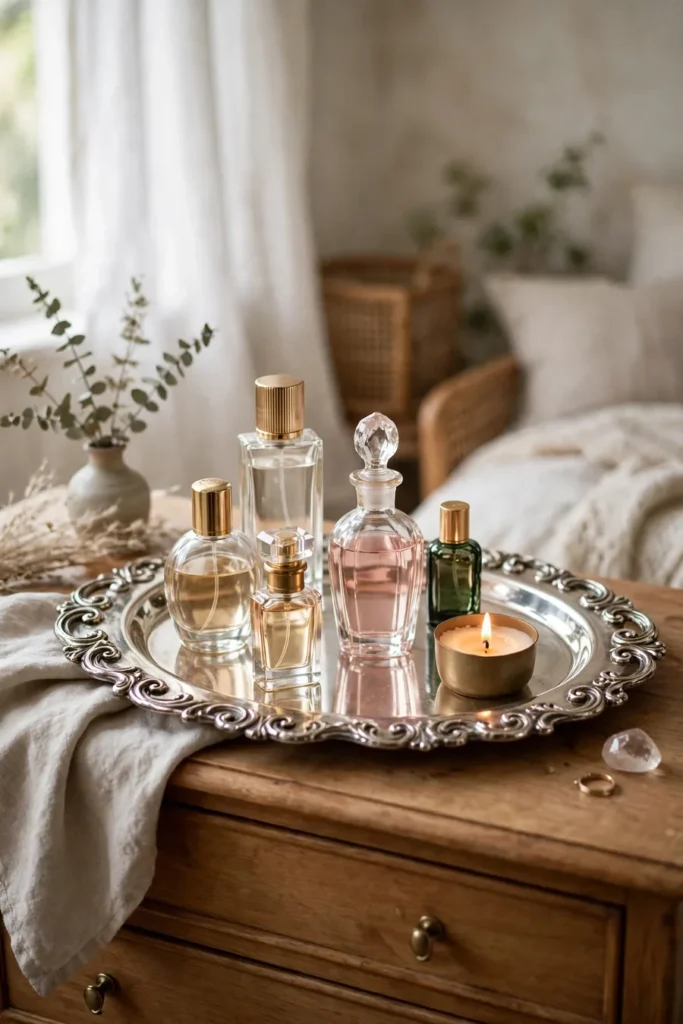
Look for a tray with a pleasing edge and some presence. Polish it bright or leave the soft patina, then put it to work corralling perfume bottles, candles or coffee supplies. A tray makes scattered things look collected, which is half of styling in one move. The honest limit: where the plate has worn through to the base metal, no polish restores it. If you want a mirror shine, find a better tray.
Solid-Wood Side Tables and Stools
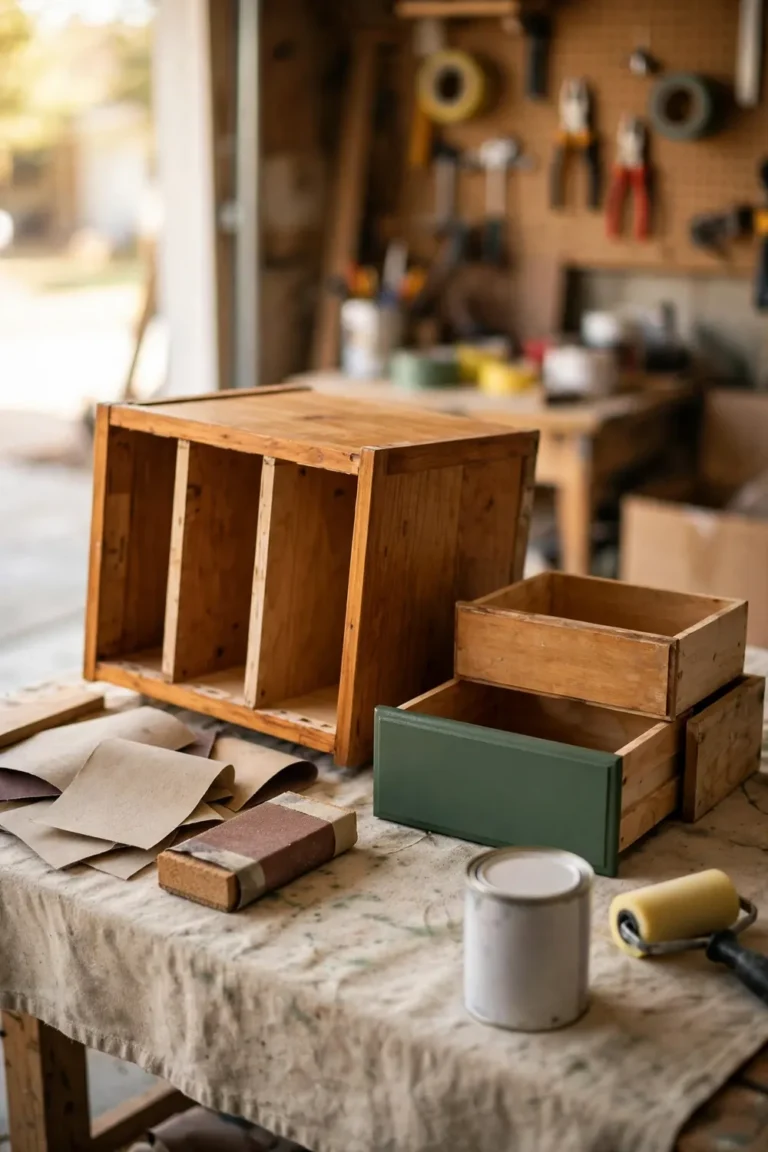
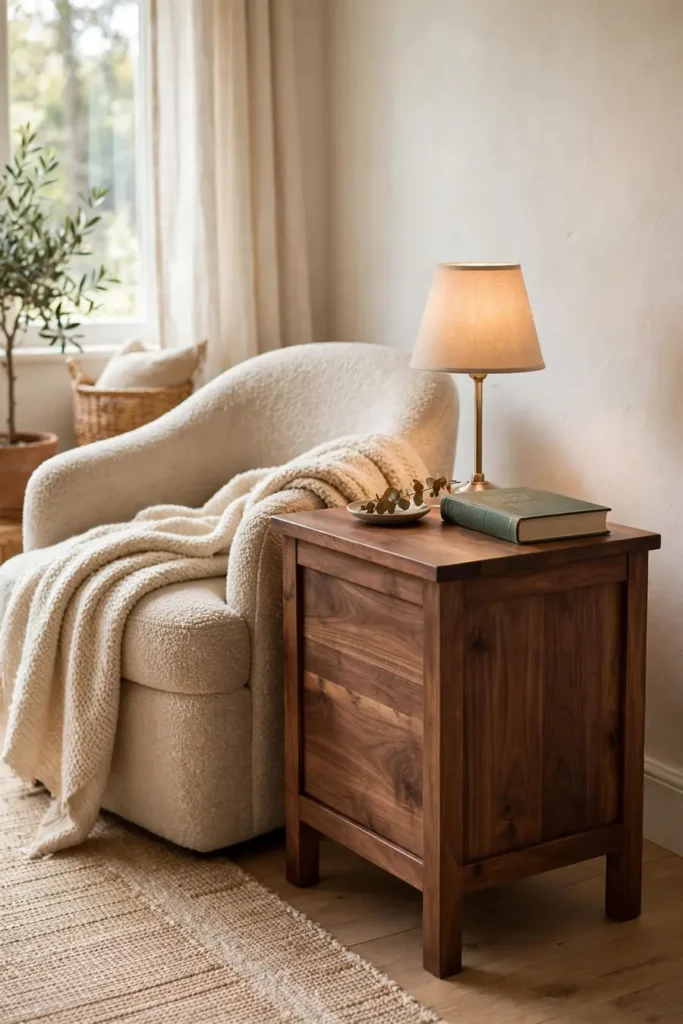
This is the entry level furniture flip, and the one that teaches you the most. Look for real wood, checked by the weight and the grain on the underside, and joints that feel tight. Clean it well, scuff sand with 120 grit while wearing a dust mask, then stain it if the grain deserves showing, or color drench it in one matte tone, top, legs and all. One safety note: on painted pieces old enough to be pre-1978, use a lead test kit before sanding, and never dry sand a piece that tests positive. The honest limit: veneer is not solid wood, deep sanding burns straight through it, and wobbly joints you cannot glue and clamp are a pass.
Wooden Cutting Boards
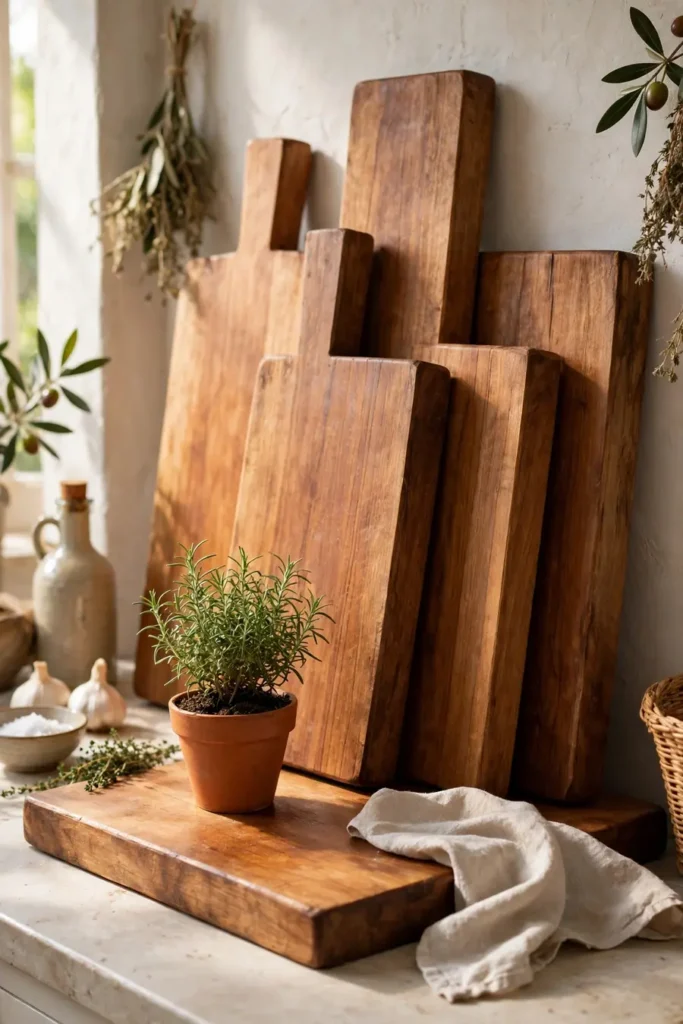
Look for thick boards with good weight and no deep cracks. Sand lightly, wash and dry them standing upright so air gets everywhere, then rub in food safe board oil until the wood drinks it in and the color deepens. Leaned against the kitchen wall, they make warm backdrop boards and handy risers. The honest limit: deep knife scars and splits hold grime and will not sand out completely, so a scarred board is backdrop decor, not a prep surface.
Hardware and Restyle Flips: No Paint Required
These easy thrift flip ideas ask for a screwdriver, a tape measure, or just a better idea of where a thing should live.

Small Cabinets and Nightstands With a Hardware Swap
This is the highest return per effort flip in the whole category. Look for a plain, sturdy piece, painted or even laminate, whose only crime is dated knobs. Measure the screw spacing before you shop, because standard sizes make this a ten minute job, then fit new glass or matte black knobs and watch the piece read as custom. The honest limit: unusual spacing means filling holes and drilling new ones. Still doable, just no longer a ten minute job, which is why the tape measure lives in your bag.
Turn a Frame Into a Mirror
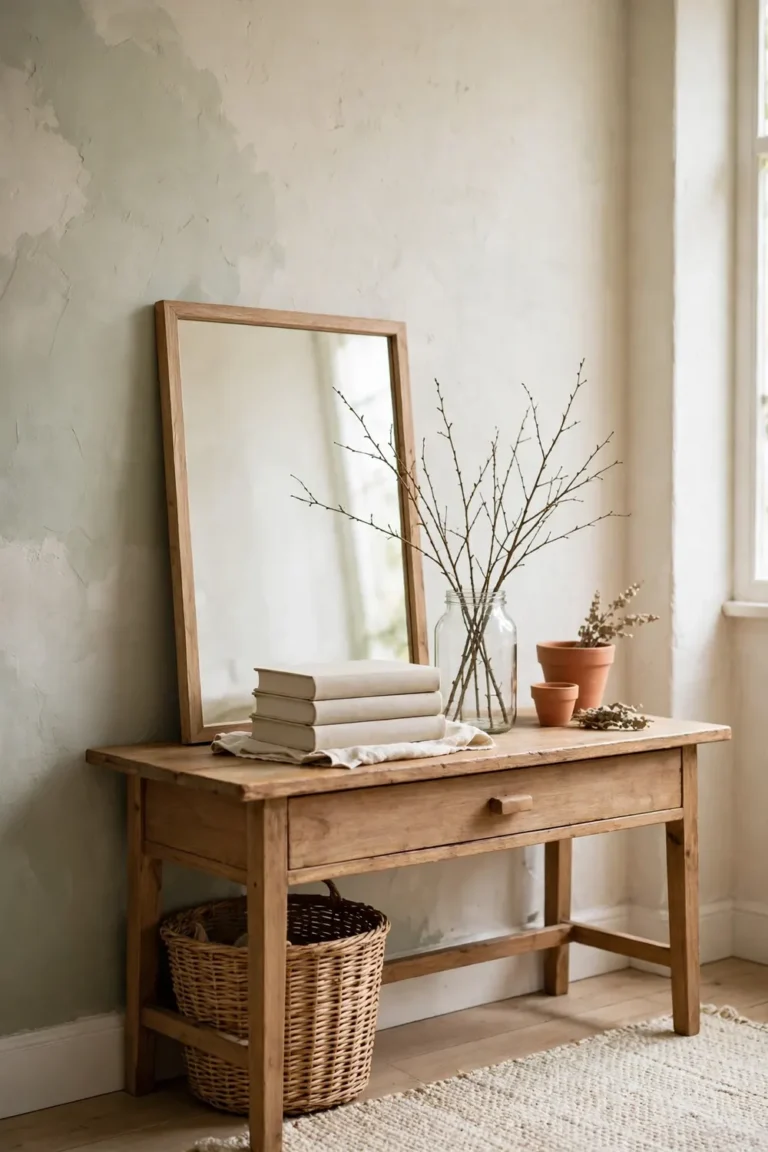
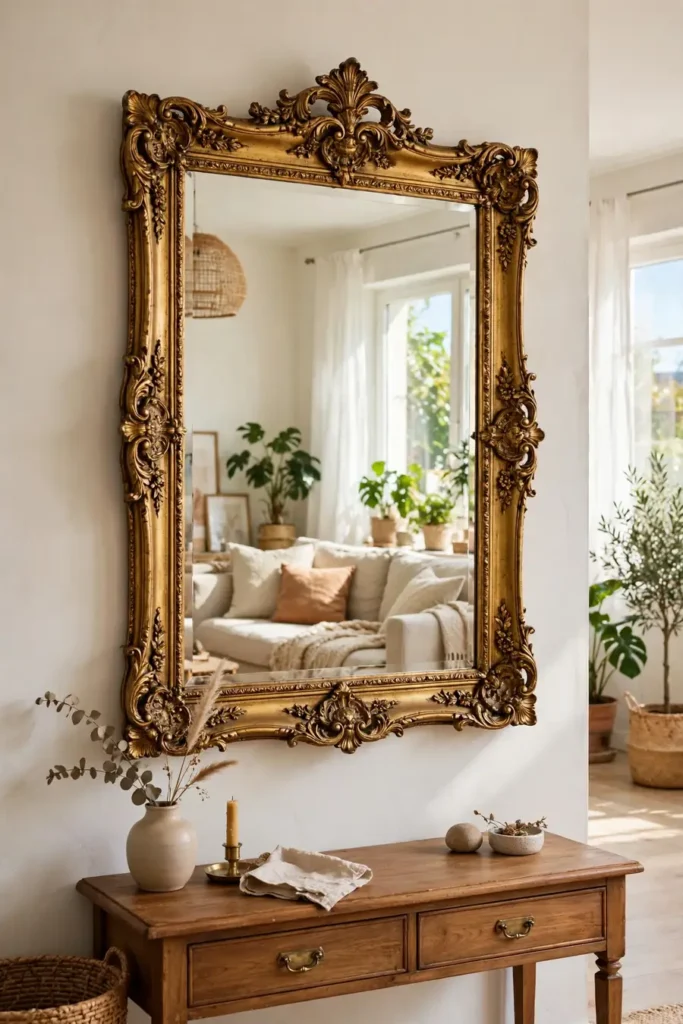
Look for a frame with a strong shape, a solid back and corners that hold firm. Take it to a hardware store and have a mirror cut to fit it, then set the mirror in and secure the back. You get a statement mirror with real character for a fraction of a similar new one, and flea market flip ideas do not get much simpler. The honest limit: a big mirror is heavy, so hang it on proper hardware into studs. One small picture hook is not a plan.
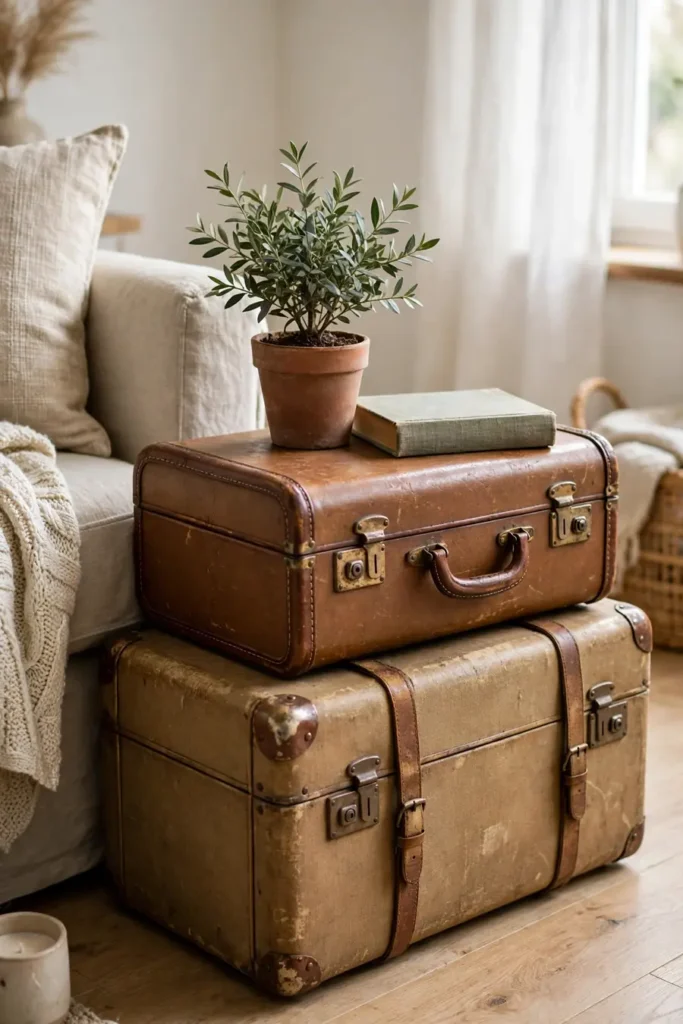
Vintage Suitcases
Look for a hard shell case with working clasps and an interior that smells clean. Wipe it down inside and out, air it open for a day, then stack two or three as a side table or use them as closed storage. A hard shell case can even be wall mounted as a display shelf, on a cleat fixed to the studs, never on drywall anchors alone. The honest limit: a musty interior is the dealbreaker. If the smell survives cleaning and airing, it moves into every soft thing stored near it.
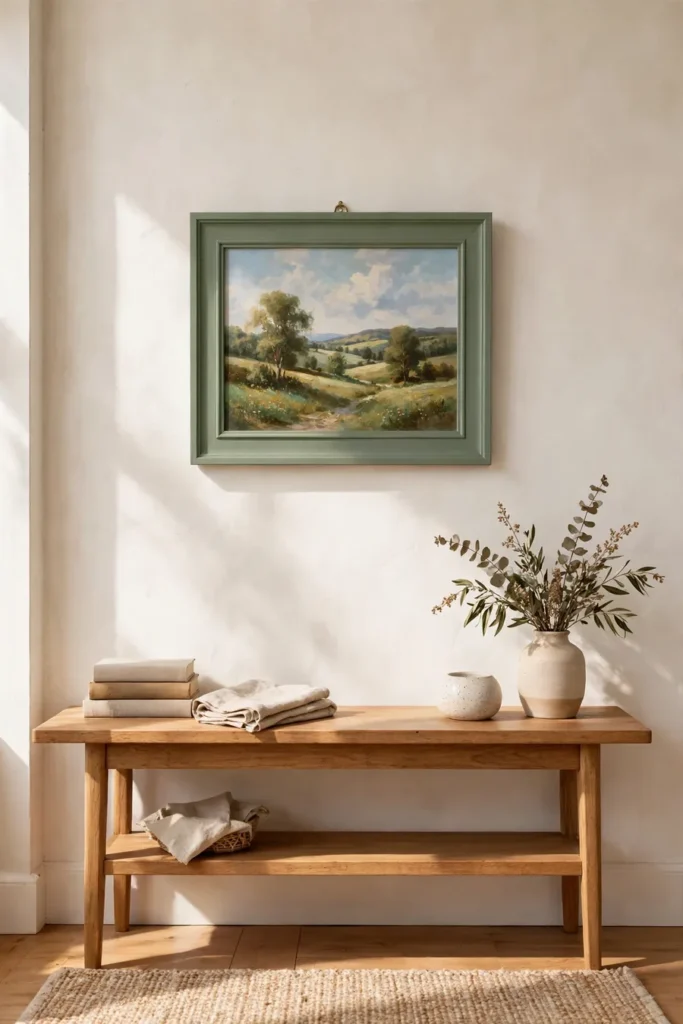
Original Art in Bad Frames
Look past the ugly frame and the dirty glass. Thrift stores quietly hold real paintings and prints that beat mass produced wall art every time. Clean the glass, then repaint the frame in a quiet color or have the piece reframed if it deserves it. The honest limit: water stains and foxing spots on the paper do not clean off. Buy the image, not the damage.
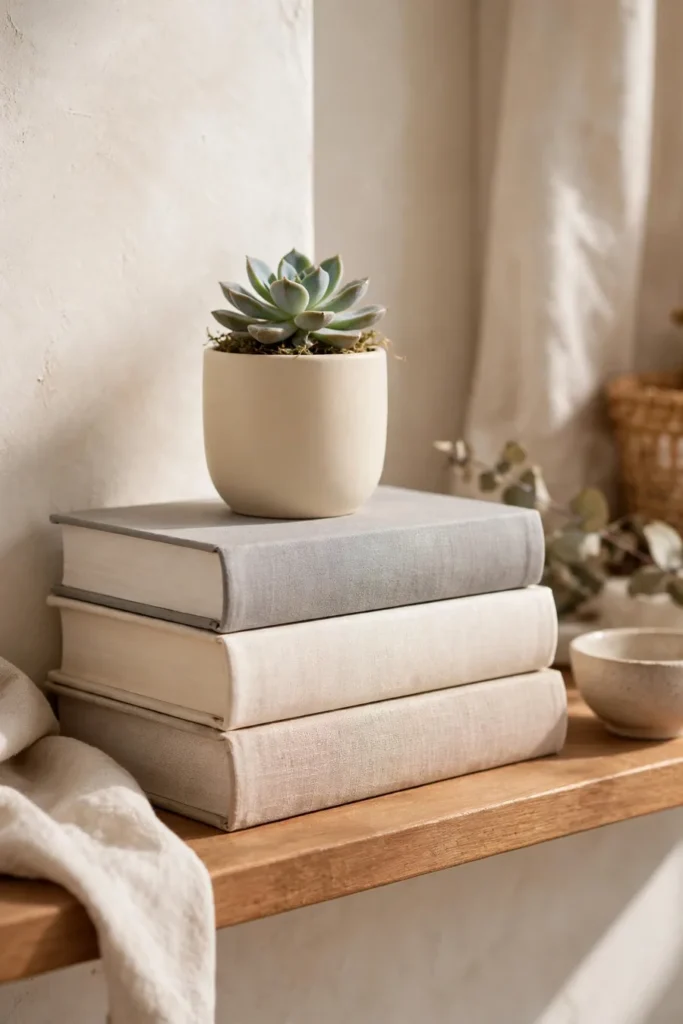
Hardcover Books With the Jackets Off
Look for hardcovers with cloth spines in calm, neutral colors. Slip off the torn jackets, wipe the spines clean, and stack the books as risers under plants, lamps and small objects. They add free height to every shelf arrangement, at almost no cost. The honest limit: a musty book shares its smell with the whole shelf, so air them first and pass on anything with mold.
Which Flips Hold Up to Daily Life
Durability decides where each piece should live. Hardware swaps, solid wood pieces and heavy metal lamps take daily use for years without complaint. Painted glass, painted baskets and dressed up frames are shelf decor. Treat them gently, let them sit and look good, and they will last a long time doing exactly that.
What to Leave on the Shelf
Every good thrifter has a skip list, and keeping yours saves more money than any single flip. Leave upholstered pieces you cannot deep clean. Leave wobbly joints you cannot repair, lamps with frayed cords, and anything with smoke or mildew baked in. Leave particleboard with swollen, bubbled water damage, because that damage only grows. One taste note: heavily distressed, chippy finishes date fast. Clean matte finishes age far better.
Frequently Asked Questions
What sells the “expensive” look most: paint or styling?
Styling. Pieces grouped in odd numbers, with one repeated finish running through them, look expensive almost regardless of what they are. Paint matters because it makes that grouping possible, but the arrangement is what your eye actually reads as costly.
Do I need to sand everything?
No. For small decor, clean the piece well, use a paint with primer built in, and give glossy surfaces a light scuff so the paint can hold. Furniture is different and gets the full prep: cleaning, proper sanding, and priming. That full process is covered step by step in our furniture flipping for beginners guide.
What should I always grab when I see it?
Solid brass, real wood frames, heavy lamps and hardcover books. They are cheap to buy, fast to flip, and durable enough to use every day, which is a rare and happy combination at a thrift store.
A Good Place to Start
Start with one small, forgiving find. A candlestick. A frame. A little cabinet that only needs knobs. Clean it properly, change the one thing that dates it, and style it somewhere you will see it every day. That small, satisfying before and after is how a house starts to feel collected rather than bought.
The best thrift flip ideas home decor projects share the same shape: good bones, an honest hour of work, and no pretending the piece is something it is not. Trust the 60 second test, keep your skip list close, and let the rooms build up slowly, one rescued find at a time.